Key Takeaways
- A cloud strategy framework organizes decisions into five layers, from business outcomes to operating model.
- The top and bottom layers decide success more often than the technical middle.
- Provider frameworks from AWS, Microsoft and Google are good detail sources, not strategies.
- Keep it short enough that teams can use it without a meeting.
A cloud strategy framework is a model that organizes your cloud decisions into a few connected layers, so you cover everything that matters and nothing gets decided twice. It is the skeleton of any plan produced through cloud strategy consulting, and the version below is the one I use with clients.
I will explain the model layer by layer, compare it with the three big provider frameworks and show how to apply it in a first working session. Everything here is meant to be adapted, so cut what you do not need.
What a Cloud Strategy Framework Does
Without a framework, cloud decisions pile up in the order that problems appear. A team picks a database, another team picks a network layout, finance asks about cost in month five. With a framework, you decide the big questions first and let them guide the small ones.
The test of a good framework is simple: when a team asks whether it can use a new service, does the framework give them an answer? If it does, it works. If the answer is always a meeting, it is a diagram, not a framework.
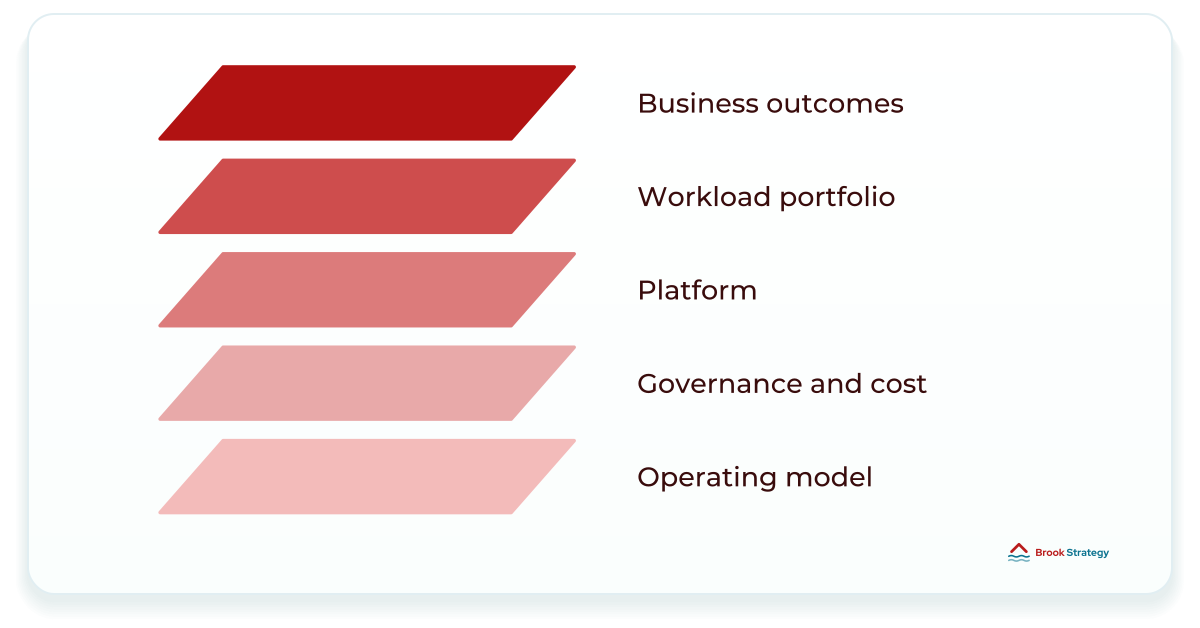
The Five Layers of the Model
The model has five layers that sit on top of each other. Each layer constrains the one below it. Start at the top and work down.
Layer 1: Business Outcomes
The top layer states what the cloud must achieve in business terms, with numbers: lower unit cost, faster releases, a new market, an exit from a data center. Everything below exists to serve these outcomes. If a decision cannot be linked to one, question it.
Layer 2: Workload Portfolio
This layer lists what you run and decides a path for each workload: keep, move, rebuild or retire. It turns the outcomes into specific candidates. The scoring method for this layer is the one described in the cloud strategy assessment guide.
Layer 3: Platform and Architecture
Here you choose the provider direction, the landing zone, the network and identity design, and the design principles teams follow. Keep it short. Five to ten principles that people remember beat a hundred-page standard that nobody opens.
Layer 4: Governance, Cost and Risk
This layer holds the rules: budgets, tags, security baseline, compliance mapping and exit options. It is where many strategies stay thin, and where the money leaks. Flexera's 2026 State of the Cloud report estimates that 29% of cloud spend is wasted, and managing spend ranks as the top challenge for the third year in a row.
Layer 5: Operating Model and People
The bottom layer decides who builds, who runs, who approves and who pays, and what skills you need. It is also the layer that decides whether the other four survive contact with real life. A plan with a perfect architecture and no owners fails in the second year.
How This Compares With the Provider Frameworks
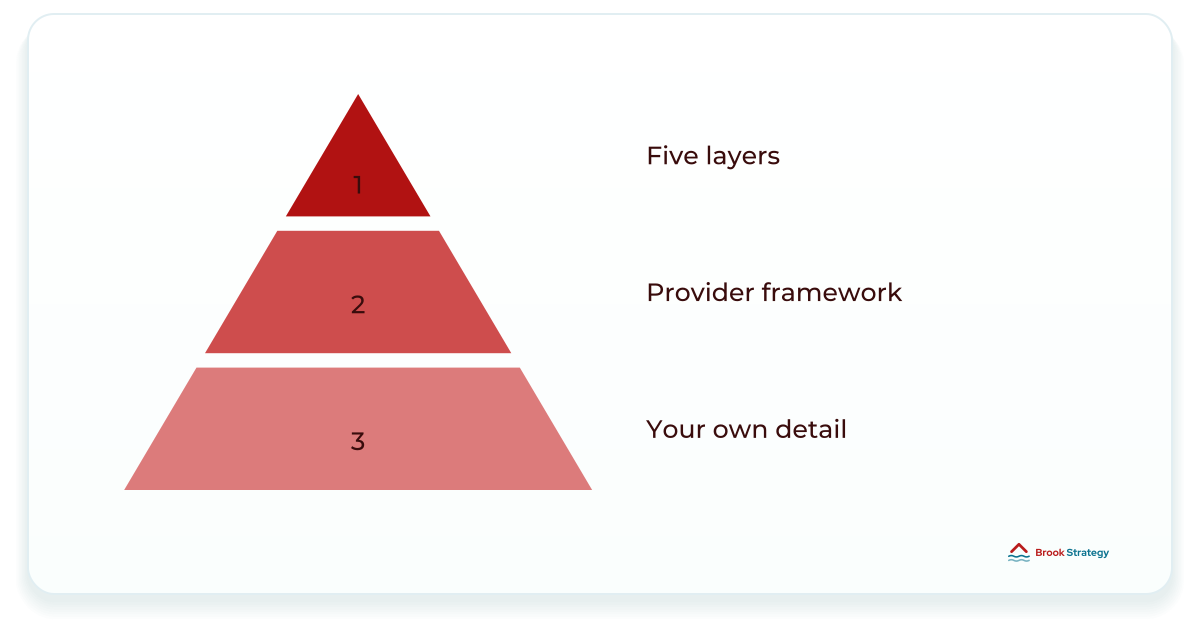
The big providers publish their own adoption frameworks. They are useful references, and they are written to help you adopt their platform, so use them as a source of checklists rather than as your strategy. Check each provider's site for the current version, since they change.
| Framework | Structure | Strength | Limit for your strategy |
|---|---|---|---|
| AWS Cloud Adoption Framework | Six perspectives: business, people, governance, platform, security and operations | Detailed capability lists for each perspective | Centered on AWS services |
| Microsoft Cloud Adoption Framework for Azure | Stages: strategy, plan, ready, adopt, govern and manage | Clear sequence and tools for each stage | Centered on Azure and Microsoft tooling |
| Google Cloud Adoption Framework | Four themes: learn, lead, scale and secure | Strong on people and maturity | Light on cost and portfolio decisions |
| The five-layer model here | Outcomes, portfolio, platform, governance, operating model | Provider-neutral and short enough to use in a workshop | Needs your own detail underneath |
Most clients end up using the five layers as the top-level structure, then borrowing the detailed capability lists from the provider they choose. That gives you neutral decisions at the top and specific guidance below.
How to Apply the Framework in Practice
Run a half-day working session with your sponsor and the leaders of IT, finance, security and the main business areas. Put the five layers on a wall or a shared document and fill them in from the top.
- Layer 1: agree up to three outcomes with numbers and dates. Stop when you have them.
- Layer 2: list your top 20 workloads and give each a first-guess path. Refine later.
- Layer 3: draft five design principles and name one provider direction.
- Layer 4: set a budget range, a tagging rule and a named owner for the monthly bill.
- Layer 5: name the program owner and list the three skills you lack most.
You leave with a first version of the strategy on one page. Next comes the dated plan, which I cover in my cloud strategy roadmap guide, and a check of what you have forgotten, for which I use the cloud strategy checklist.
A Worked Example of the Five Layers
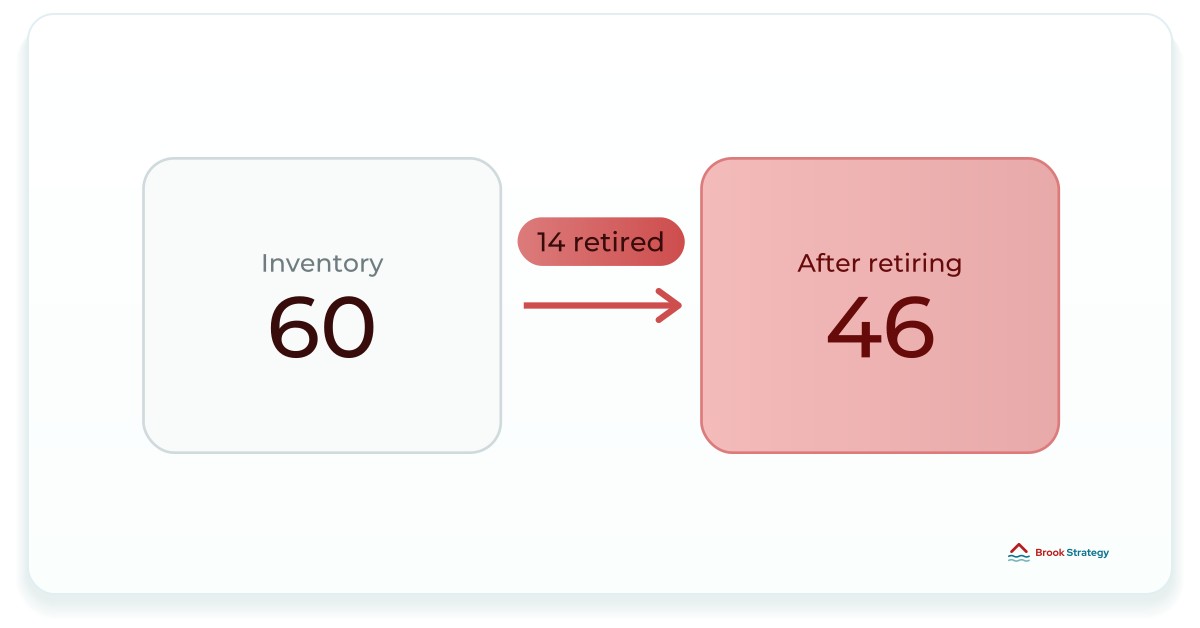
Picture a financial services firm with 60 applications, two data centers and a lease that ends in 18 months. Layer 1 holds two outcomes: leave one data center before the lease ends and cut release time for the client portal from monthly to weekly.
Layer 2 sorts the 60 applications. Fourteen are retired after owner interviews, twenty-two move with few changes, eight are rebuilt and sixteen stay for regulatory reasons, with a review date. Layer 3 picks one primary provider and sets six design principles, such as managed services first and no data leaves the approved regions.
Layer 4 sets a monthly budget with alerts, a tagging rule and a security baseline signed off by the risk team. Layer 5 names a program owner, creates a three-person platform team and funds training for twelve engineers. The whole thing fits on one page, and every line can be traced to one of the two outcomes. The numbers here are illustrative, and your own mix will differ.
The Decision Rules a Good Framework Produces
You know a framework works when it produces short rules that teams can apply alone. A few examples I have seen work well:
- Any new workload needs an owner, a cost tag and a data sensitivity rating before it goes live.
- Managed services come first. A team that wants to run its own database writes one paragraph on why.
- Anything above a set monthly cost needs approval from finance and the program owner.
- Every workload has a review date, and workloads without users are shut down after that review.
These rules take minutes to read and save hours of meetings. They also give your leaders a way to say no without a long debate, which is half the value of having a framework.
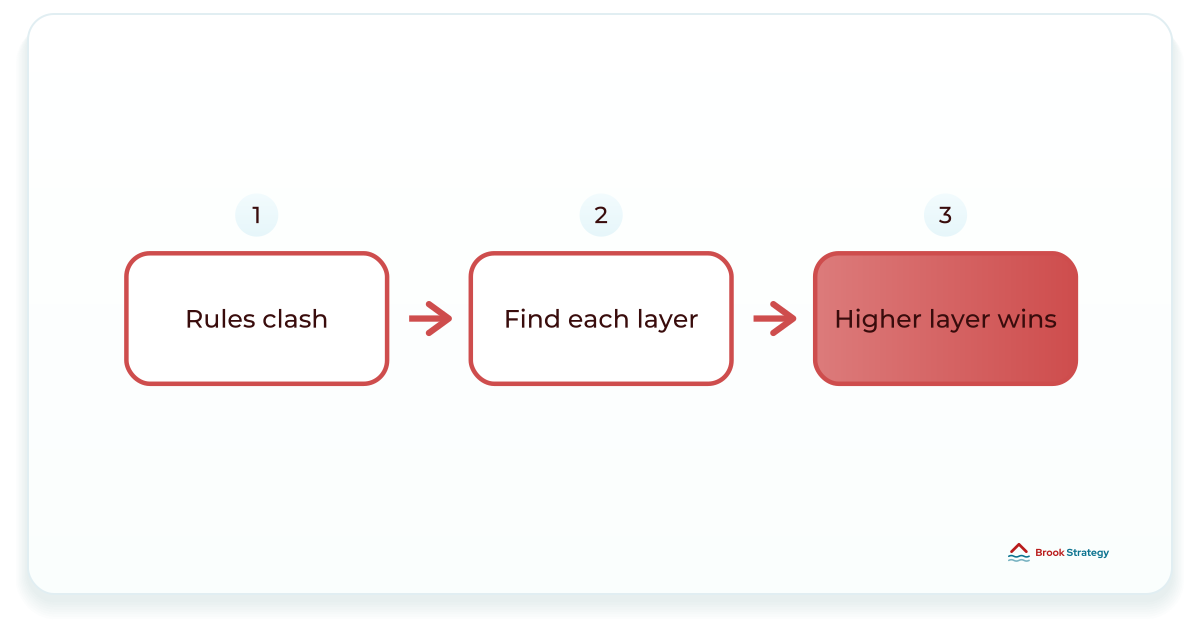
When two rules clash, the higher layer wins. A cost rule from layer 4 gives way to a business outcome from layer 1 only if a leader signs the exception, and the exception is logged. That tiny habit keeps the framework honest, because it shows you which rules people keep breaking and why.
Where Frameworks Go Wrong
Frameworks fail in predictable ways. The first is treating the framework as the deliverable. A beautiful diagram with no owners and no dates changes nothing. The second is copying a provider framework in full and spending months on capabilities you will never need. The third is filling in the layers in the wrong order, so the architecture gets designed before anyone has agreed what it is for.
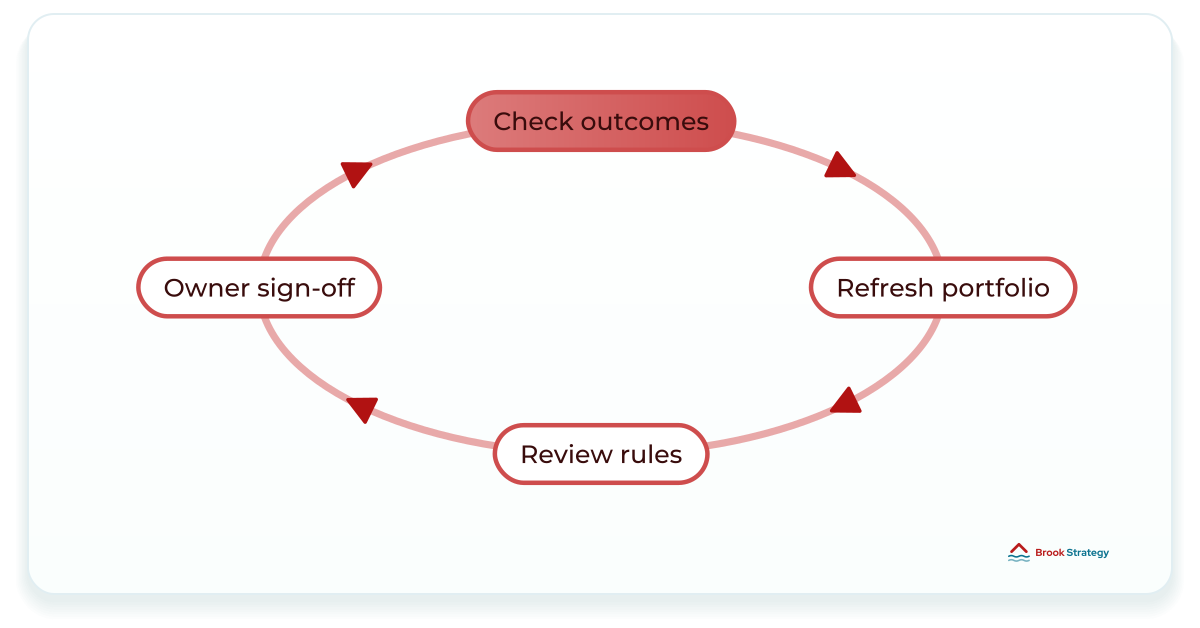
A fourth habit is subtler: updating the framework only when someone complains. Put it on the quarterly review. Companies that revisit their layers regularly can change direction when facts change, and the cloud strategy examples I collected show several that did exactly that.
Adjusting the Framework to Your Size
A small company can fill in all five layers in an afternoon, and layer 5 may be one person. A large one needs a central team that owns layers 3 and 4, while business units own layers 1 and 2 for their own workloads. Regulated businesses add a compliance column to layer 4 and usually a formal sign-off before each wave.
The order of work changes with size as well. Small companies often start with layers 1 and 4, because a clear goal and a cost owner remove most early risk. Large companies usually start with layers 2 and 5, since they have the most workloads and the most people to coordinate. Whichever way you start, finish all five layers in draft form before you build anything permanent, because a late discovery in one layer tends to force changes in the layers above it.
Finally, decide who keeps the framework alive. Name one owner, give that person a quarterly slot on the leadership agenda and keep the document in a place everyone can find. A framework nobody can find is the same as no framework, and I have met more than one company that rebuilt theirs from scratch because the original sat in a former employee's folder.
Questions About Cloud Strategy Frameworks
What Is a Cloud Strategy Framework?
It is a model that organizes your cloud decisions into connected layers, such as outcomes, portfolio, platform, governance and operating model. It makes sure you decide the big questions first and cover everything that matters.
Is a Cloud Strategy Framework the Same as a Cloud Adoption Framework?
Not quite. Adoption frameworks from AWS, Microsoft and Google help you adopt a specific platform. A strategy framework sits above them and is provider neutral. Many companies use a neutral model on top and borrow detail from a provider framework below.
How Long Does It Take to Build One?
A first one-page version takes a half-day working session with your leaders. Turning it into a dated plan takes several more weeks, depending on the size of your estate and how quickly decisions are made.
Which Layer Matters Most?
The top and the bottom: business outcomes and operating model. Technical layers are usually handled well. Programs more often fail on a fuzzy goal or on missing owners for cost and operations.
How Detailed Should the Framework Be?
Short enough that people read it. Aim for up to three outcomes, five to ten design principles and one page per layer at most. If your team needs a meeting to apply it, simplify it.
Do I Need a Different Framework for Multi-Cloud?
The same five layers apply. Layer 3 gets more work, since you have to define which provider is used for what and how data moves between them. Layer 4 also needs rules for consistent cost and security reporting across providers.
How Often Should I Update the Framework?
Review it every quarter and refresh it once a year. Also update it after major changes, such as an acquisition, a big contract renewal or a new regulation. Small tweaks are normal, and a framework that never changes is probably not being used.
Sources
- AWS Cloud Adoption Framework
- Microsoft Cloud Adoption Framework for Azure
- Google Cloud Adoption Framework
- ProsperOps summary of Flexera 2026 State of the Cloud report
Note: This article is general information, not legal, financial or tax advice. Figures and examples are estimates based on typical projects, so check current details with your providers and advisers before you decide.
Was this article helpful?
Thank you for letting us know.
Russell Tennant
Russell leads the Brook editorial team and works with our consultants to turn real client engagements into practical guides on roadmaps, go-to-market planning, growth and competitive strategy. Before joining Brook, he spent 11 years in strategy and product marketing roles at software and financial services companies. He has since edited more than 300 articles on strategy practice and drawn on roadmaps and growth plans from over 100 client projects. He is based in Denver, Colorado.