Key Takeaways
- A complete social media strategy has twelve parts, from a business goal to a regular review.
- Each part needs proof you can show, such as a written goal, an audit sheet or a named owner.
- Most gaps I find are in goals, measurement and the review rhythm, not in creative ideas.
- Fewer channels done well usually beat a thin presence on every network.
Social media plans tend to grow by accident. A channel gets added, a format goes viral once and a calendar appears, until nobody can say what the whole thing is supposed to achieve. A checklist stops the drift by asking for proof at each step.
This list comes from the accounts I review in social media strategy consulting work. Each of the twelve points explains what to verify and gives you steps to confirm it, so you can mark it done honestly.
The 12 Points Before You Start
The table lists each point with its proof. If you can’t point to the proof, mark the point as open.
| Point | Proof you should have |
|---|---|
| 1. Business Goal for Social | One sentence goal with a number |
| 2. Target Audience | Written audience groups with their questions |
| 3. Channel Selection | Two or three channels, each with a goal |
| 4. Account Audit | Complete, consistent profiles |
| 5. Content Pillars | Three to five repeatable themes |
| 6. Formats and Frequency | A weekly target the team can keep |
| 7. Brand Voice and Approvals | A voice guide and an approval path |
| 8. Calendar and Workflow | A calendar four weeks ahead |
| 9. Community Management | Response times and saved replies |
| 10. Paid Support | A budget and a test plan, or a decision to skip |
| 11. Measurement and Reporting | A baseline and a one-page monthly report |
| 12. Review and Optimizement | Review dates and change triggers |
The 12 Points to Verify
Work through them in order, since later points depend on earlier ones. A calendar built before the audience is clear tends to fill with whatever is easiest to make.
Business Goal for Social
Confirm social media has one clear business goal, such as qualified inquiries, event sign-ups or recruiting. Without it, every post is judged by likes, and likes rarely pay anyone’s salary.
The goal is the first thing I ask for in a review. If the answer is “awareness”, I ask how awareness would be seen in the numbers, and the conversation usually gets more useful from there.
How to check it
- Write the goal in one sentence with a number and a date.
- Check that sales or leadership agrees with it.
- Link it to one metric you can pull monthly.
- Remove goals that no metric can show.
Target Audience
Verify that you can describe who you are trying to reach in specific terms: role, industry, problems and the networks they use for work. A vague audience produces vague posts.
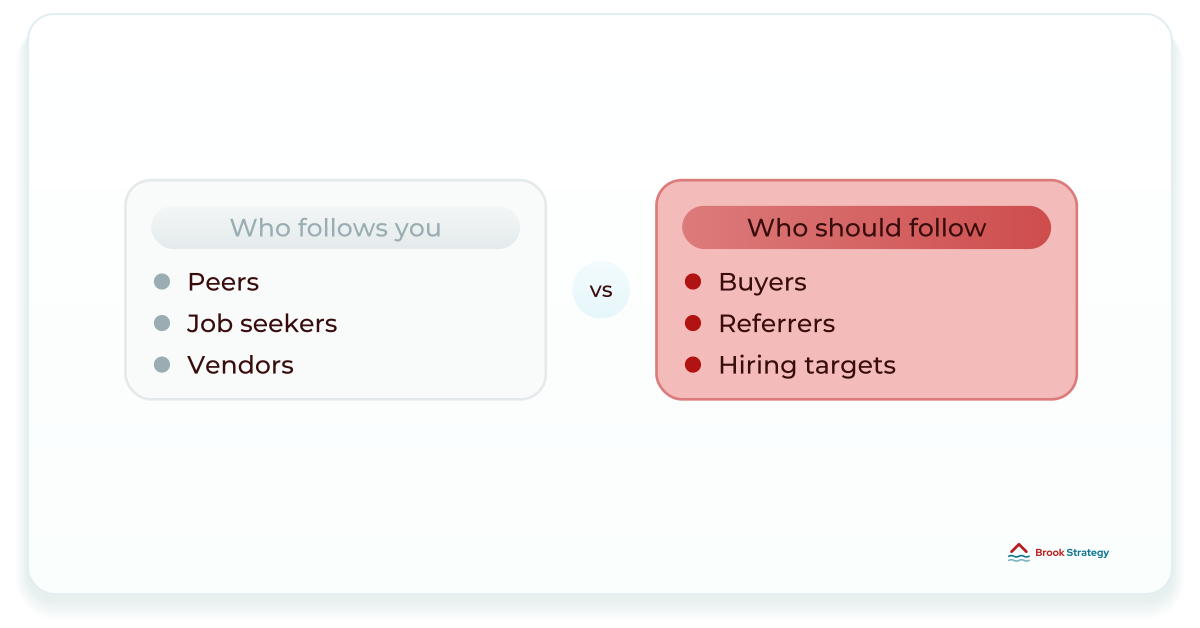
Look at your current followers too. If they are mostly peers, job seekers or competitors, you may be building an audience that never buys.
Steps to confirm it
- List the two or three groups you most want to reach.
- Compare them with the follower data in each network.
- Note the questions each group asks before buying.
- Cut any group you have no content for.
Channel Selection
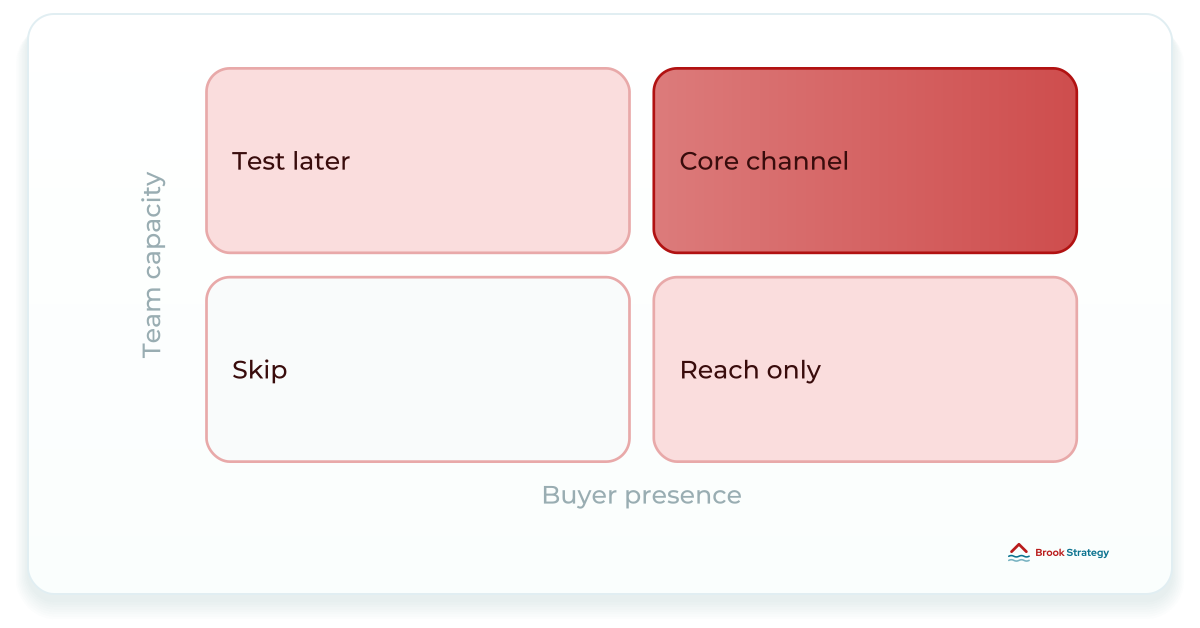
Check that each channel on your list has a reason to exist, based on where your audience is active and what you can keep up. Two channels done well beat five done thinly.
I have seen teams cut from five networks to two and see engagement rise within a quarter, because the same hours now went into fewer, better posts.
What proof looks like
- Rank channels by audience fit and team capacity.
- Keep the top two or three.
- Write one goal for each kept channel.
- Pause the rest and note a date to revisit them.
Account Audit
Verify that every profile is complete, current and consistent: name, handle, bio, link, profile image and pinned post. It takes an hour and fixes problems that cost you followers every day.
Also look for old accounts, duplicates and unmanaged profiles that carry your name. Prospects find these first.
What to verify
- Check names, handles and bios across all networks.
- Confirm links go to the right pages and carry tracking.
- Close or claim unused accounts.
- Pin a post that explains what you offer.
Content Pillars
Confirm you have three to five content themes that repeat, each tied to the audience’s questions. Pillars make daily posting easier because each post fits a slot.
Check the balance too. A feed that only promotes your product wears out followers, while one with no product link brings no inquiries.
How to check it
- Pick three to five themes from audience questions.
- Assign each a purpose, such as teach, prove or invite.
- Set a rough mix of themes for each month.
- Review the mix every quarter.
Formats and Frequency
Verify that formats match each network and that the posting rhythm is one your team can keep. A steady schedule you can sustain beats a burst that stops after three weeks.
Be honest about capacity. If one person has four hours a week for social, plan for four hours.
Steps to confirm it
- List the formats you can produce well.
- Match them to each channel’s strengths.
- Set a weekly posting target for each channel.
- Check it against the hours your team has.
Brand Voice and Approvals
Check that there is a short voice guide and an approval path. Everyone posting should know the tone, topics to avoid and who signs off on sensitive content.
In regulated fields, such as finance, approvals are part of the strategy. Without them, a single post can cause weeks of trouble.
What proof looks like
- Write a one-page voice guide with examples.
- Name who approves which kinds of posts.
- Set a turnaround time for approvals.
- List topics that always need review.
Calendar and Workflow
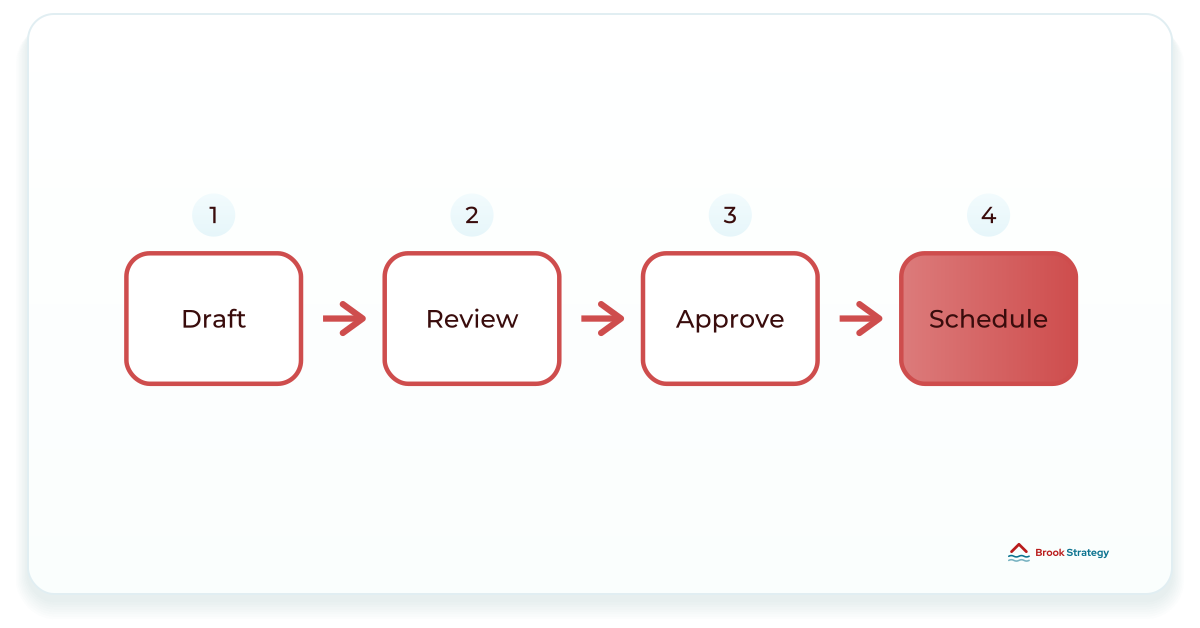
Confirm a calendar exists with dates, owners and statuses, and that it extends at least a month ahead. A calendar also shows when you’re about to run out of content.
Pick a tool that suits the team’s size. My overview of social media management tools compares the main options by price and features.
What to verify
- Plan at least four weeks ahead.
- Assign a creator and a reviewer for each post.
- Leave room for reactive posts.
- Review the calendar weekly.
Community Management
Verify that someone watches comments and messages, and that response times are set. A reply within a working day is a reasonable standard for most businesses.
Prepare for criticism before it arrives. A short guide for negative comments avoids panicked answers.
How to check it
- Set a response time target.
- Write saved replies for common questions.
- Define when to move a conversation to private message.
- Escalate legal or safety issues to a named person.
Paid Support
Check whether paid promotion has a role. If yes, define budget, audience and a test plan. If no, note why, so the question doesn’t come back every quarter.
Paid social works best on content that already performs organically, so check organic results first.
Steps to confirm it
- Choose one or two posts to test.
- Set a small test budget and run it for two weeks.
- Track cost per result against your goal.
- Stop promoting anything that misses the target.
Measurement and Reporting
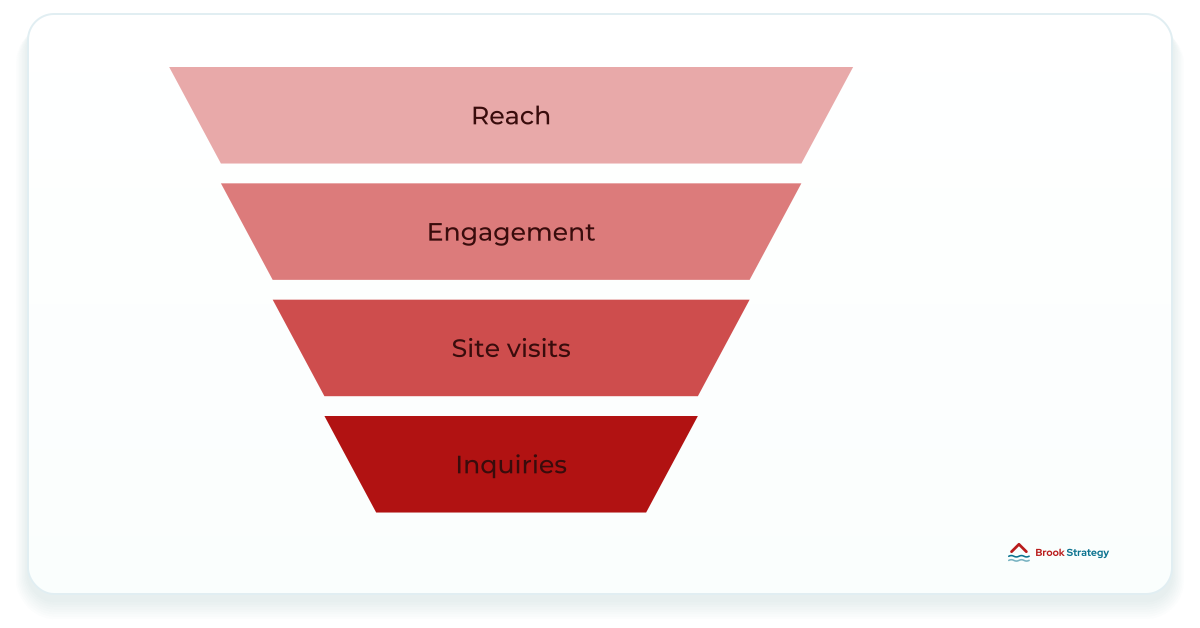
Confirm you track a small set of metrics tied to the goal, with a baseline. Reach and engagement are useful, but inquiries and sign-ups from social show whether it pays.
Use tracking links on every profile and post that points to your site. Without them, social traffic often appears as direct visits.
What proof looks like
- Choose three to five metrics.
- Record current values as a baseline.
- Add tracking links to bios and posts.
- Report monthly in one page.
Review and Optimizement
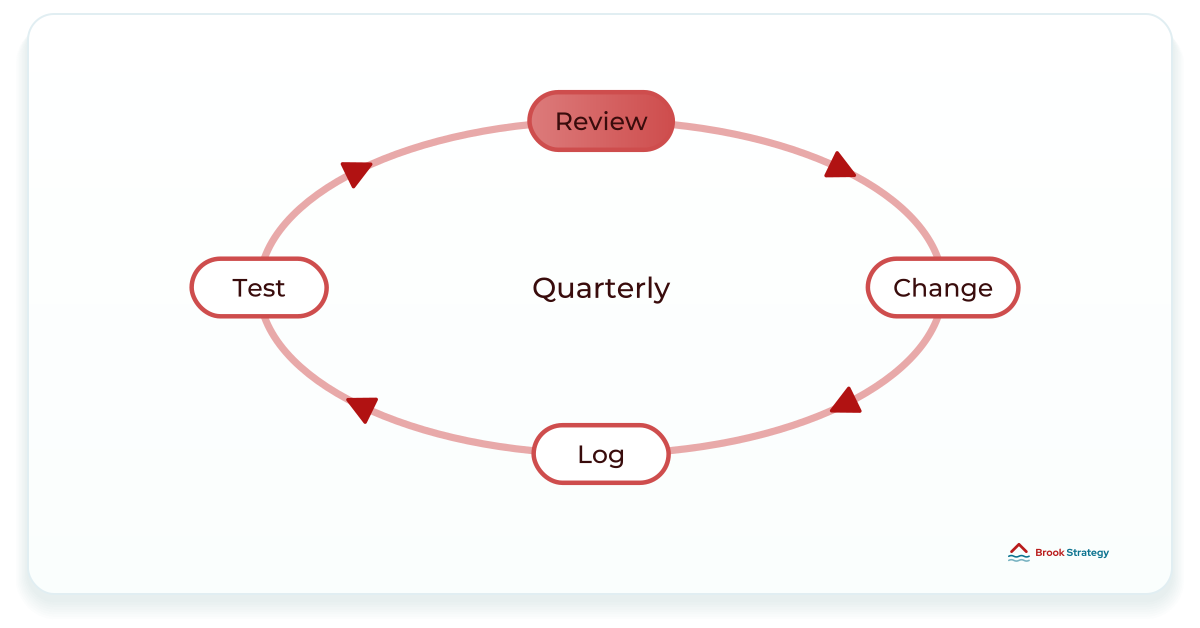
Verify that you schedule a monthly check and a quarterly strategy review. Decide in advance which results trigger a change, such as a format that has underperformed for six weeks.
Keep a log of what you changed and why. A year later it is the best source of what works for your audience.
What to verify
- Book the monthly and quarterly reviews now.
- Define triggers for changing a format or channel.
- Keep a log of changes and results.
- Share a short summary with leadership.
Share the finished list with everyone who posts or approves. When contributors see the same twelve points, disagreements about tone, frequency or channels become easier to settle, because the team can point to what was agreed and why instead of arguing from taste.
If a point stays open because nobody has time, that is information as well. Either the plan is too big for the team or the point matters less than you thought, and both are worth knowing before you add another channel.
How to Read Your Result
Count the points with proof. Ten or more means the strategy is sound and needs upkeep. Between six and nine you have a plan with gaps, and those gaps are most often goals, measurement or review. Fewer than six means you have a posting habit and not yet a strategy, so go back to point 1.
Repeat the exercise every quarter. Accounts change, networks change their formats and your own goals move, so a point that passed in January can fail by summer. Keep the scored list in one document and compare each round with the last, because the trend shows whether the strategy is getting stronger or just busier.
Once the gaps are closed, put the work in order with the social media strategy roadmap, and compare your approach with the social media strategy best practices to see where to tighten it.
Questions About the Social Media Strategy Checklist
How Often Should I Review My Social Media Strategy?
Check results monthly and review the strategy itself every quarter. A yearly full reset makes sense when your goals, audience or products change. Between reviews, resist changing direction because of one week’s numbers.
What Is the First Thing to Verify in a Social Media Strategy?
The business goal. Every other choice, from channels to formats, depends on what social media is supposed to achieve. If the goal is unclear or untracked, fix that before you spend more time on content.
How Many Social Channels Should a Company Use?
Most small and mid-sized teams do well with two or three. Choose them by where your buyers are active and what your team can keep up. Add another channel only when the existing ones run smoothly and have clear results.
Do I Need a Social Media Management Tool?
Not always. A single person posting to two channels can use native schedulers. Tools help once you have several channels, several contributors or an approval process, because they centralize the calendar, inbox and reports.
What Metrics Matter Most for Social Media?
Pick metrics tied to your goal. For lead generation, that means inquiries and sign-ups from social, plus engagement as a supporting signal. Follower count alone is a weak metric, because it says nothing about whether the right people are listening.
How Long Does It Take to See Results from Social Media?
Engagement signals usually show within a few weeks of a steady rhythm, while leads and sales take a few months. Compare against your baseline, and give a new format at least six weeks before you decide it doesn’t work.
Who Should Own the Social Media Strategy?
One named person, usually the marketing lead, should own the strategy and report on it. Contributors from sales, product and support can post, but a single owner keeps the voice and priorities consistent.
Note: This article is general information, not legal, financial or tax advice. Figures and examples are estimates based on typical projects, so check current details with your providers and advisers before you decide.
Was this article helpful?
Thank you for letting us know.
Russell Tennant
Russell leads the Brook editorial team and works with our consultants to turn real client engagements into practical guides on roadmaps, go-to-market planning, growth and competitive strategy. Before joining Brook, he spent 11 years in strategy and product marketing roles at software and financial services companies. He has since edited more than 300 articles on strategy practice and drawn on roadmaps and growth plans from over 100 client projects. He is based in Denver, Colorado.