Key Takeaways
- A brand strategy takes about 10 to 14 weeks across five stages: kickoff, research, positioning, messaging and rollout.
- Book interviews in week one, since scheduling is the main cause of delay.
- Name one decision maker per stage, so choices are not reopened later.
- Record a baseline before launch and review results after one quarter.
A brand strategy is easy to start and hard to finish. People join enthusiastically, then the calendar fills and decisions slip. A roadmap prevents that by saying who decides what, and by when. Whether you run the project yourself or with a brand strategy consulting partner, the stages below keep it on a steady pace.
The timings come from projects I have followed at software and financial services companies. Smaller firms can compress them, and larger ones with several audiences usually need the upper end. The table gives the shape, and each section after it explains the work.
The Five Stages in One Table
| Stage | Weeks | Key decision | Who decides |
|---|---|---|---|
| 1. Kickoff | 1 | Goal, scope and decision rules | Executive sponsor |
| 2. Research | 2 to 5 | Which findings matter most | Project lead |
| 3. Positioning | 6 to 8 | One positioning to carry forward | Executive sponsor |
| 4. Messaging | 9 to 11 | Promise, proof and tone | Marketing and sales leads |
| 5. Rollout | 12 to 14, then a quarter | What changes first | Project lead with team owners |
Week 1: Agree on the Goal and the Rules
Open the project with a short meeting that settles four things: the business goal, the scope, the people involved and how decisions get made. A goal might be to shorten sales cycles, support a price rise or enter a new segment. Each of those leads to different research, so choose before you begin.
The decision rule is the item most teams skip. Write down who has the final word at each stage and how long they have to decide. In one project I followed, positioning approval waited three weeks for a calendar slot, and the whole schedule moved with it. A simple rule, such as the sponsor decides within five working days, would have saved the time.
- Write the goal as an outcome you can measure.
- Name a sponsor, a project lead and a small core team.
- Book all interviews and collect existing sales and brand material.
- Record a baseline for win rate, sales cycle and branded search.
Weeks 2 to 5: Listen Before You Decide
Research is where the roadmap earns its length. Interview customers, lost prospects and leaders, and read what competitors say about themselves. Aim for ten to twenty-five conversations, and keep a shared document of quotes sorted by theme.
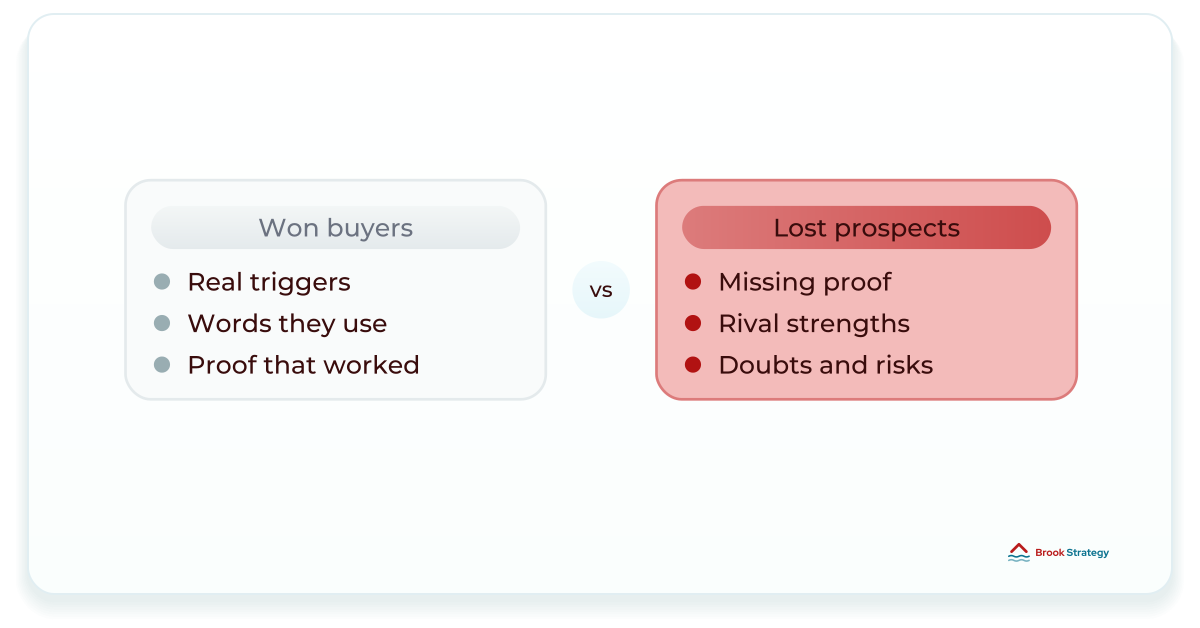
Lost prospects deserve more weight than they usually get. Customers tend to be kind, while people who chose someone else will tell you which claims they did not believe. Their answers often shape the positioning more than any other input.
At the end of this stage, produce a short findings report: five to seven themes, each with quotes and the number of people who raised it. Share it with the core team before the positioning stage begins. A brand strategy checklist can help you confirm that no research input is missing.
Weeks 6 to 8: Choose One Positioning
With evidence in hand, draft two or three positioning options. Each should name the buyer, the problem, the alternative and the reason to believe. Use the structure from the brand strategy framework so the options can be compared side by side.
Test them with five buyers if you can. Show each option as a short statement, ask what it means to them and whether they would believe it. Their reading often differs from yours, and the differences guide the final wording. Then bring the results to the sponsor, who picks one.
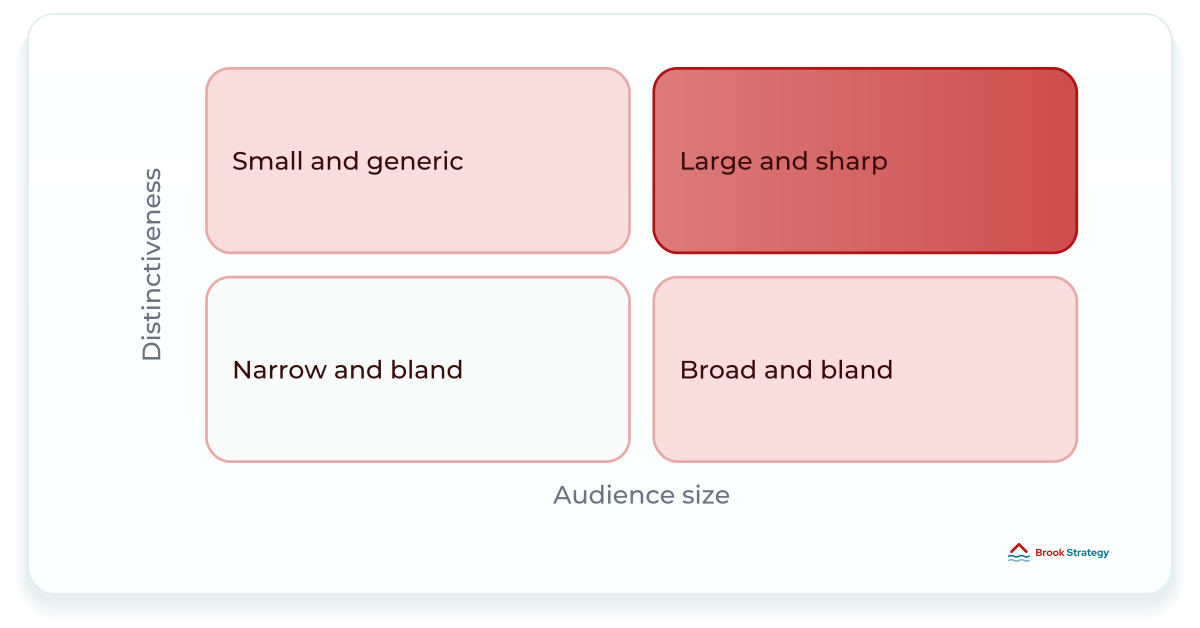
Expect friction. Leaders often like the broadest option because it leaves doors open. Remind them that a broad position gets chosen by nobody in particular, and show the interview quotes that support the narrower choice.
Weeks 9 to 11: Turn Positioning Into Words
Now write the promise, three proof messages, the supporting facts and the voice guidance. Sales and marketing write this together, because the best wording comes from what actually works in conversations. Ask sales for the three objections they hear most and make sure the messages answer them.
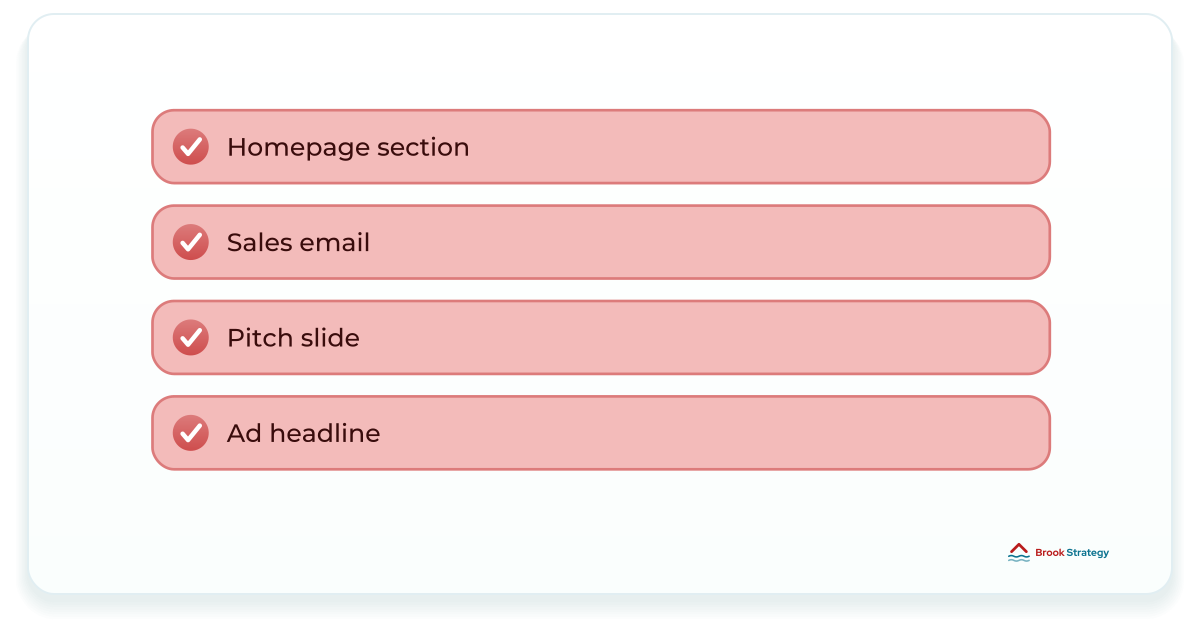
Test the messages on real material. Rewrite a homepage section, a sales email and a deck slide using the new text, then show them to a few customers. If a sentence needs explaining, shorten it. Finish with a short guide of about four pages that new employees and agencies can use on day one.
Weeks 12 to 14: Roll Out in Order of Visibility
Start with what buyers see first. The homepage, the main sales deck and the top two campaigns usually come first, followed by product pages, onboarding material and social profiles. Trying to update every asset at once exhausts the team and delays the visible changes.
Brief every team with a short session using their own material. Ask each to bring one thing they will change and report back in a month. Keep a simple tracker with the asset, the owner and the date, and review it in your weekly meeting until the list is clear.
| Priority | Assets | Target finish |
|---|---|---|
| First | Homepage, sales deck, main campaign pages | Week 12 |
| Second | Product pages, onboarding emails, social profiles | Week 14 |
| Third | Older content, partner material, internal documents | Within the next quarter |
The Quarter After: Measure and Adjust
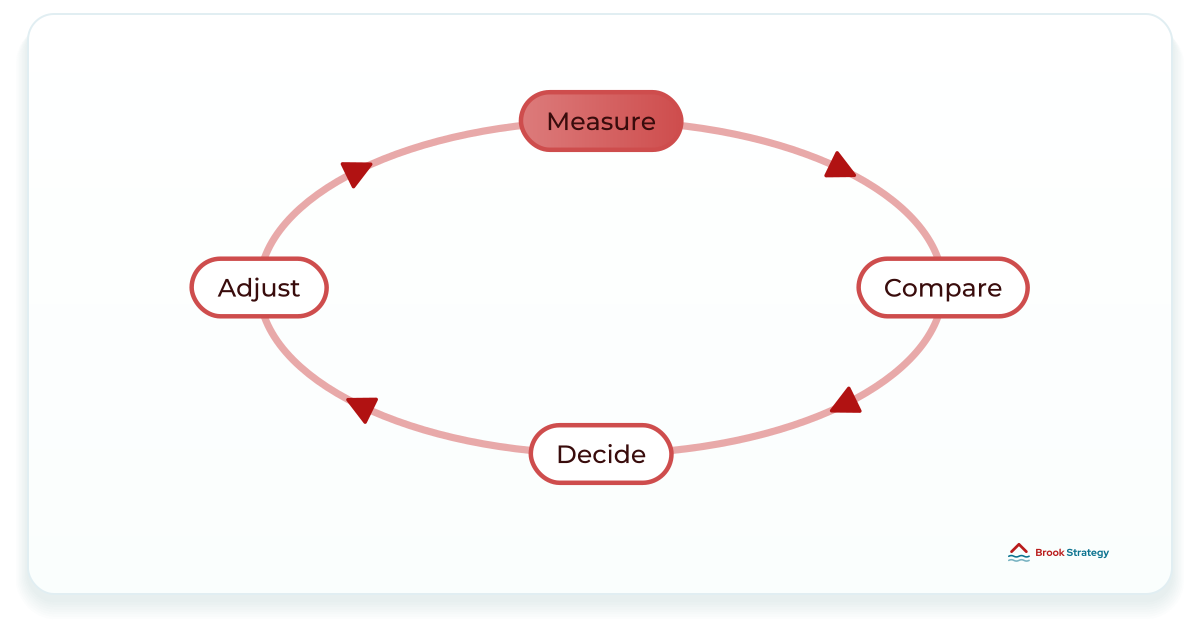
Results arrive in layers. Sales conversations change in weeks, so ask reps whether prospects now repeat your wording and whether first calls need less explaining. Win rate, sales cycle length and branded search move over a quarter or two. Compare each against the baseline you recorded in week one.
Hold a review at the end of the quarter. List what moved, what did not and which messages buyers still misread. Adjust the wording, and update the guide. If results lag, check the rollout first, since an unfinished rollout explains most disappointing numbers. My article on brand strategy mistakes covers the other usual suspects.
What Usually Slips, and How to Absorb It
No roadmap survives contact with calendars. Plan for delays in advance, so a late interview or a busy sponsor does not push the whole project back. The table lists the slips I see most often and what to do about each.
| What slips | Typical delay | How to absorb it |
|---|---|---|
| Customer interviews | 1 to 2 weeks | Book twice as many slots as you need and start in week one |
| Sponsor sign-off | 1 to 3 weeks | Set decision dates at kickoff and put them in calendars |
| Legal or compliance review | 1 to 2 weeks | Share draft claims early and ask for a review window |
| Website changes | 2 to 4 weeks | Brief the web team during the messaging stage, not after |
The website is the slip that surprises people most. Marketing finishes the messaging in week eleven, then learns that the web team has a three-week queue. Brief them in week nine, share draft copy as it forms and the queue will not hold up your launch.
How Much of Your Team's Time It Takes
Brand projects look light on paper and heavy in practice, mostly because of meetings. For a company with one main audience, I expect the project lead to spend about a day a week across the 14 weeks. The sponsor needs roughly two hours a week, concentrated at the kickoff, positioning and sign-off points.
Sales and product contributors spend less, usually three to five hours in total, split between an interview, a messaging session and a review of the draft. Tell them early and put the sessions in their calendars. People who learn about a half-day workshop on the morning of it are rarely at their best.
If your team cannot give that time, extend the schedule rather than thinning the research. A longer project with solid interviews beats a fast one built on opinions, and the cost of reworking a weak positioning is far higher than a few extra weeks at the start.
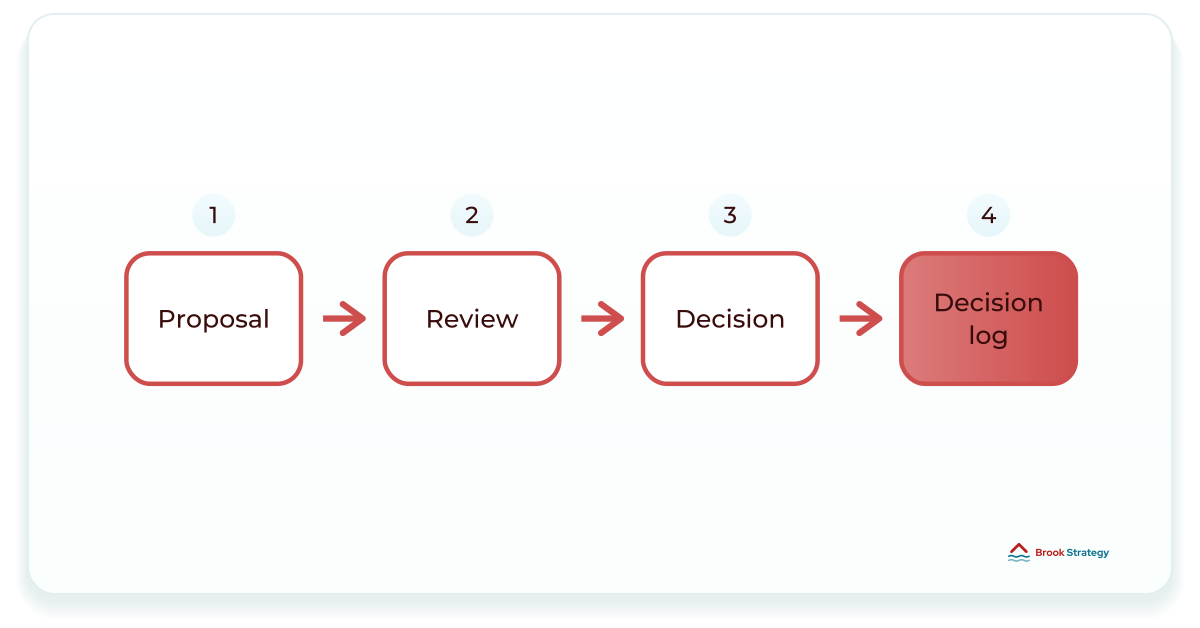
One more habit helps across every stage: keep a decision log. It is a simple page with the date, the decision, who made it and the evidence behind it. When someone reopens a choice in week ten, you can show them what was decided in week six and why. Most of the time the question dies there. When it does not, you have a clear record of what changed, which makes the second decision better than the first.
Share the log with the whole core team every Friday. A five-minute read keeps people aligned without another meeting, and it gives newcomers a quick way to catch up if someone joins halfway through the project.
How to Adapt the Roadmap to Your Company
Small teams can merge stages and finish in six to eight weeks. Companies with several audiences should run research and positioning once for each, which adds time but keeps the work specific. Regulated businesses, such as banks and insurers, need a compliance review of messages, so add a week between messaging and rollout.
- How many audiences need their own positioning?
- Who must approve messages, and how long does that take?
- Which assets must change first, and who owns them?
- When will you review results, and against what baseline?
Answer those four before kickoff and adjust the table to match. If you would like help with the research and positioning stages, a short call is a good way to scope them.
Questions About a Brand Strategy Roadmap
How Long Does a Brand Strategy Project Take from Kickoff to Results?
Plan on 10 to 14 weeks for the strategy and first rollout, then another quarter before results show in win rates or sales cycles. Interviews are the slowest step because they depend on other people's calendars, so book them in week one.
Who Should Be on the Brand Strategy Team?
Keep the core team to four or five people: a sponsor from leadership, a project lead from marketing, a sales voice, a product voice and an outside facilitator if you use one. A larger group slows decisions without improving them.
What Should I Do in the First Week?
Agree on the goal and the decision maker, collect existing material such as sales decks and win-loss notes, and book interviews. Teams that skip the decision maker often reopen choices in week eight, which is when it costs the most.
How Many Interviews Are Enough?
Ten to twenty-five covers most companies: customers, lost prospects and internal leaders. You will usually hear the same themes by the twelfth conversation. If a second audience matters, add five or six for it.
When Do I See Results from a New Brand Strategy?
Sales conversations change first, often within a few weeks of rollout. Win rate, sales cycle and branded search take a quarter or two to move. Measure against a baseline you record before launch, or you will not be able to show the change.
What If Leadership Cannot Agree on the Positioning?
Bring the interview evidence to the meeting and ask which option it supports. If two options remain, test both with five customers and let their reactions decide. A short test is cheaper than a long debate, and it takes the argument out of opinion.
Should I Roll Out Everything at Once?
No. Start with the touchpoints that buyers see first, usually the homepage, sales deck and top campaigns, then extend to the rest over the next quarter. A staged rollout lets you fix messaging problems while few assets carry them.
Note: This article is general information, not legal, financial or tax advice. Figures and examples are estimates based on typical projects, so check current details with your providers and advisers before you decide.
Was this article helpful?
Thank you for letting us know.
Russell Tennant
Russell leads the Brook editorial team and works with our consultants to turn real client engagements into practical guides on roadmaps, go-to-market planning, growth and competitive strategy. Before joining Brook, he spent 11 years in strategy and product marketing roles at software and financial services companies. He has since edited more than 300 articles on strategy practice and drawn on roadmaps and growth plans from over 100 client projects. He is based in Denver, Colorado.