Key Takeaways
- A twelve-month SEO roadmap has five phases: baseline, technical fixes, core commercial pages, supporting content and authority.
- Commercial pages come before supporting guides, since they earn the revenue the guides then support.
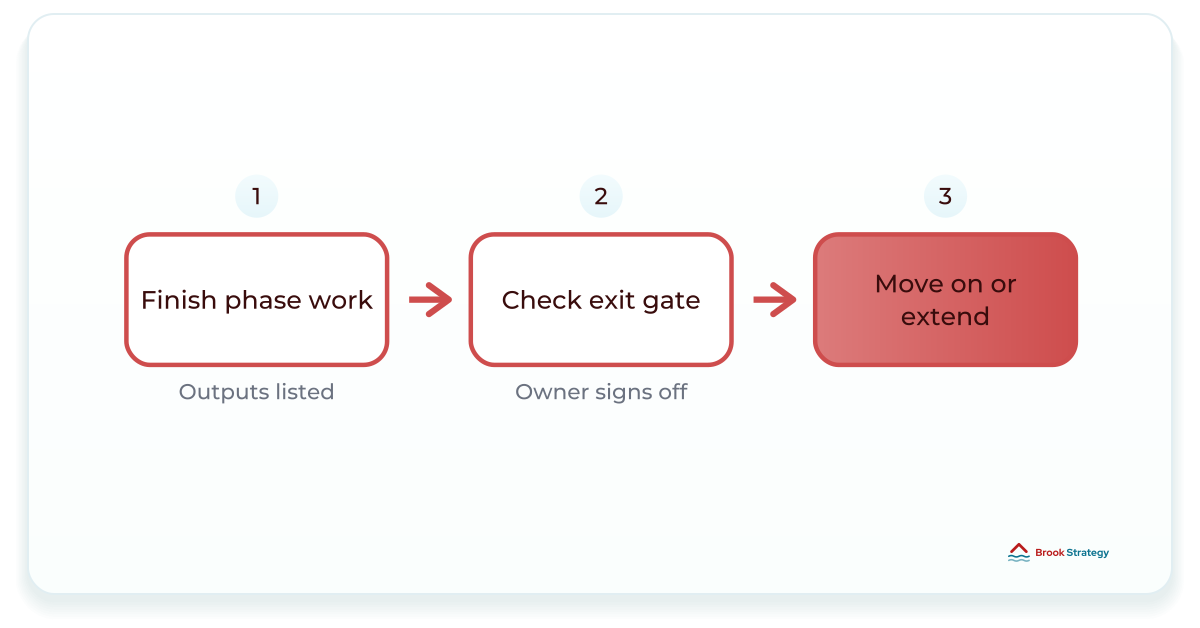
- Each phase ends with an exit gate, so you move on only when the evidence says the work paid off.
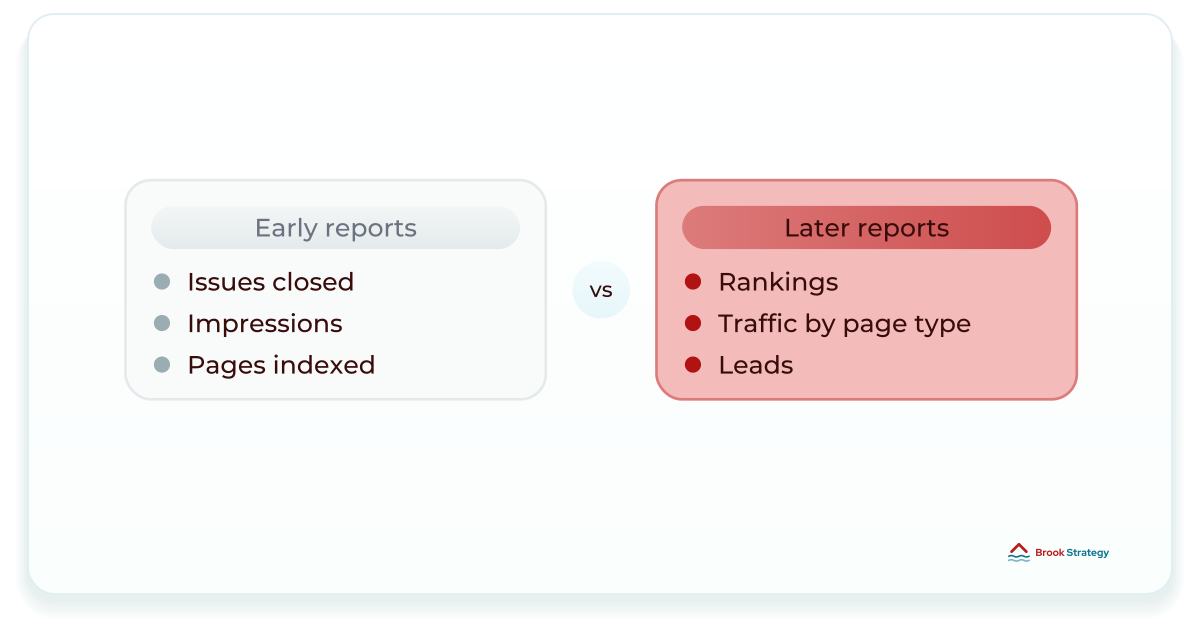
- Judge progress by indexed pages and impressions first, then by leads, since rankings take months.
An SEO plan without an order wastes the first six months. Teams write guides before the site can be crawled, or chase links before they have a page worth linking to. The sequence below fixes that, and it is the same one used in SEO strategy consulting engagements.
Copy it, change the timings to fit your team and use the exit gates to decide when to move on. If you have not yet chosen your topics, start with the SEO strategy framework, which explains how to score them.
The Five Phases in Short
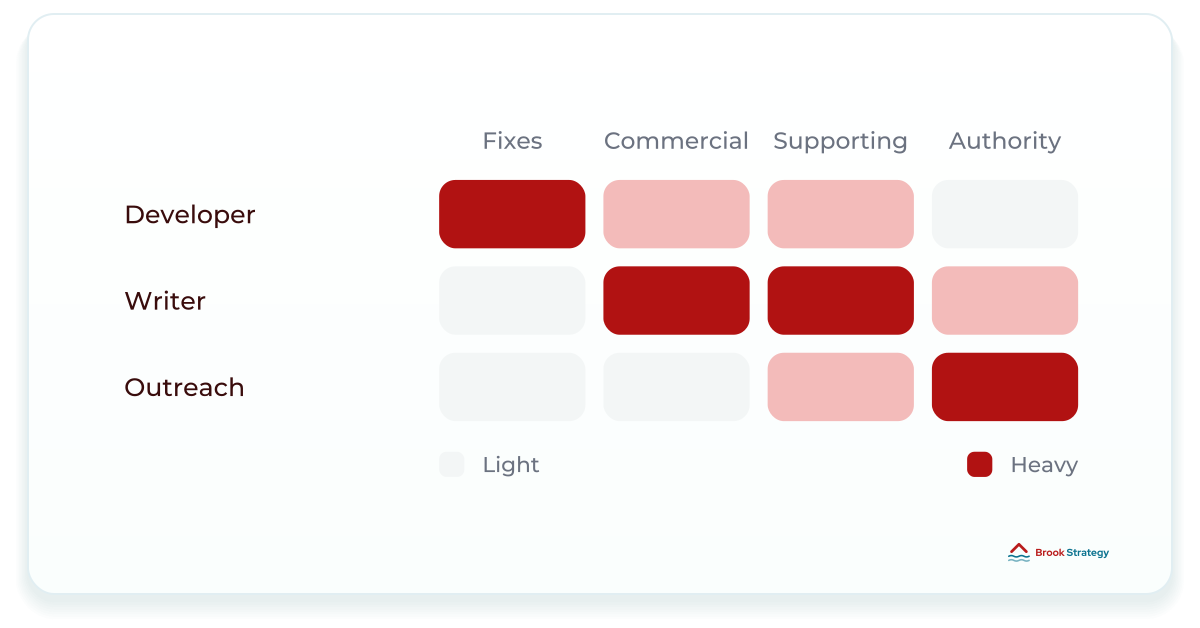
| Phase | When | Focus | Typical team effort |
|---|---|---|---|
| 1. Baseline and Goals | Weeks 1 to 4 | A baseline report with rankings, traffic and leads | Light, mostly analysis |
| 2. Technical Fixes and Quick Wins | Months 2 to 3 | Top ten technical fixes shipped and verified | Developer-heavy |
| 3. Core Commercial Pages | Months 3 to 5 | Five to ten commercial pages live, each mapped to one topic | Writing and design |
| 4. Supporting Content at Scale | Months 6 to 9 | Twenty to forty supporting pages, depending on team size | Steady content output |
| 5. Authority and Refinement | Months 10 to 12 | A year-end report against the baseline | Outreach and review |
Baseline and Goals (Weeks 1 to 4)
Before you change anything, record where you stand. Export your queries, positions and clicks from Google Search Console, note organic sessions and leads from analytics, and crawl the site to list technical problems. Write down the one business goal search must serve, such as demo requests from organic visitors.
Then agree who does what. One person owns the roadmap, a developer is named for technical fixes and a writer or editor is assigned. Roadmaps without named people stop in week six, when the first fix needs a developer who was never asked.
What you finish
- A baseline report with rankings, traffic and leads
- A crawl summary with problems ranked by pages affected
- A one-sentence goal and a target for month twelve
- A named owner for each workstream
Exit gate: leadership signs the goal and the owners. If it does not, stop here, since every later phase depends on it.
Technical Fixes and Quick Wins (Months 2 to 3)
Start with fixes that touch many pages: indexing blocks, redirect chains, slow templates, duplicate versions and missing titles. One template change can lift a whole section, so rank by pages affected divided by effort.
Run quick content wins in parallel. Pages that already rank between positions four and fifteen often move up with a better title, a clearer answer near the top and a few internal links. Those updates cost little and give you the first proof that the plan works, which helps when you ask for more resources.
What you finish
- Top ten technical fixes shipped and verified
- Titles and summaries updated on pages close to page one
- Internal links added from strong pages to target pages
- Indexing report checked after each release
Exit gate: the crawl shows the top issues closed and impressions for updated pages are rising. If not, check whether the fixes were deployed correctly before adding content.
Core Commercial Pages (Months 3 to 5)
Build or rebuild the pages that earn revenue first: service, product and comparison pages for your highest-scoring commercial topics. Each page needs a clear promise, proof, a comparison where buyers expect one and a call to action. If you have not scored your topics yet, use the scoring formula from the framework in the intro.
Publish in small batches of three to five pages and watch how they index and rank before you build more. A batch teaches you which formats Google rewards on your site. Large releases hide problems that a small one would have shown early.
What you finish
- Five to ten commercial pages live, each mapped to one topic
- A brief and internal link plan for every page
- Tracking for conversions on each page
- A short review of how the first batch ranks
Exit gate: at least some of the new pages are indexed and appear in results. If none rank after eight weeks, review intent match and page quality before you write more.
Supporting Content at Scale (Months 6 to 9)
Now add the guides, comparisons and ranked lists that support your commercial pages. Each one answers a question buyers ask before they are ready to talk, and links back to the page it supports. A ranking of SEO tools is one example of a page that serves comparison searchers.
Keep the pace your team can sustain with good quality. Two strong pages a week beat ten thin ones, and thin pages can drag down a whole section. Update older pages at the same time, since freshness and accuracy matter more as the library grows.
What you finish
- Twenty to forty supporting pages, depending on team size
- Every page linked to its commercial parent and to related pages
- A monthly update slot for older pages
- A review of which formats drive leads, not only traffic
Exit gate: organic leads are rising, not only sessions. If traffic grows and leads stay flat, revisit the topic fit from the framework.
Authority and Refinement (Months 10 to 12)
With a solid base in place, invest in authority. Publish original data from your own customers or market, pitch it to publications your buyers read, and ask partners and customers for references where relevant. Choose few, relevant opportunities and give each an owner.
Use the same period to refine. Re-score the topic list with a year of data, retire pages that never performed, merge overlapping ones and plan the next year. Report results against the baseline from week one, so leaders see the full gain.
What you finish
- A year-end report against the baseline
- Two or three authority wins with named sources
- A re-scored topic list for next year
- A decision on budget, team and focus for year two
Exit gate: the year-two plan is approved with budget. The roadmap restarts at phase two with new topics.
The Roadmap as a Month-by-Month Calendar
Use the calendar to check capacity. If a month lists more work than your team can handle, move items rather than squeeze them.
| Months | Main work | What you report |
|---|---|---|
| 1 | Baseline, goal, owners | Baseline numbers |
| 2 to 3 | Technical fixes, quick wins | Issues closed, impressions |
| 3 to 5 | Core commercial pages in batches | Pages indexed, first rankings |
| 6 to 9 | Supporting content, updates | Traffic by page type, leads |
| 10 to 12 | Authority, refinement, year-two plan | Results against baseline |
In my client work, the calendar slips most often in months two and three, when developer time is scarce. Book that time in advance, and if it cannot be had, begin with content changes that need no code. The order inside a phase can bend. The order of the phases should not, because content published on a site with indexing problems is partly wasted.
How to Report Progress Without Overpromising
Leaders ask one question every month: is it working? Answer it in the same three lines each time. First, what shipped. Second, what the data shows, such as indexed pages, impressions and positions for target topics. Third, what happens next month. A short, steady report earns more trust than a long one that changes shape, and it takes less time to prepare each month.
Be careful with forecasts. Early in the roadmap, show ranges and the assumptions behind them, such as the share of target topics that reach page one. If you promise a number of leads by month six, and the technical phase runs long, you lose credibility that the later months need. I prefer to commit to inputs, like pages published and fixes shipped, and to show outputs as they arrive.
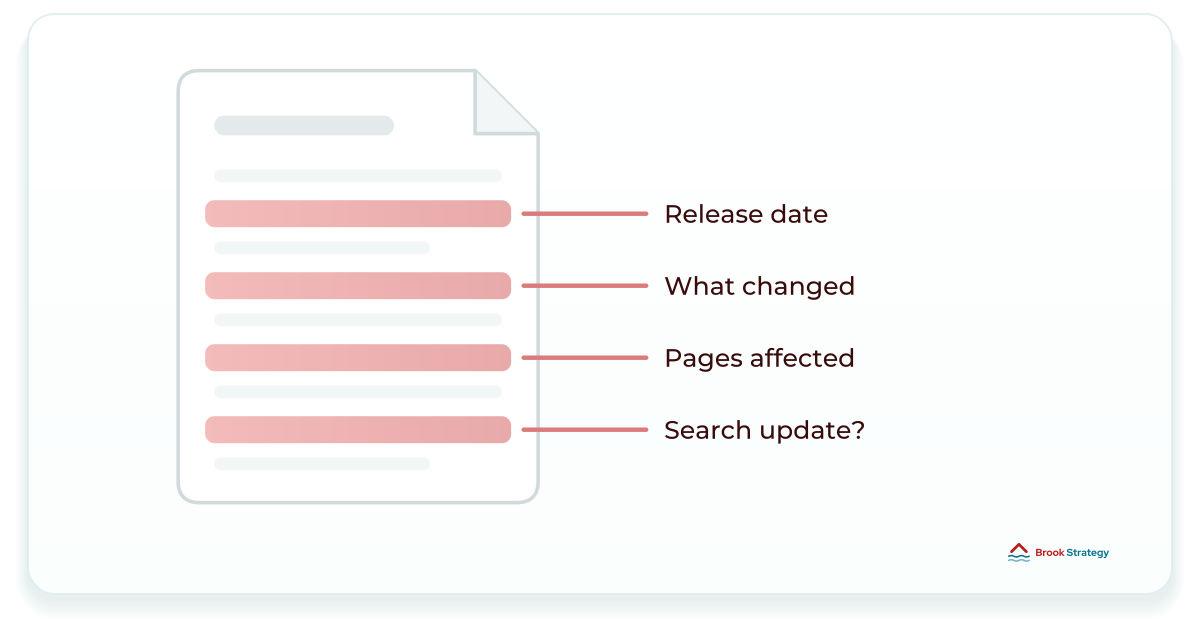
Share the report with the people who control resources, not only with the team. Developers, writers and budget owners act faster when they see how their work moved a number. Finally, keep a change log with dates for every release, content batch and outreach push. When a ranking moves, the log tells you what likely caused it, and it stops arguments about whether a drop came from your work or from a search update.
How to Adapt the Roadmap to Your Site
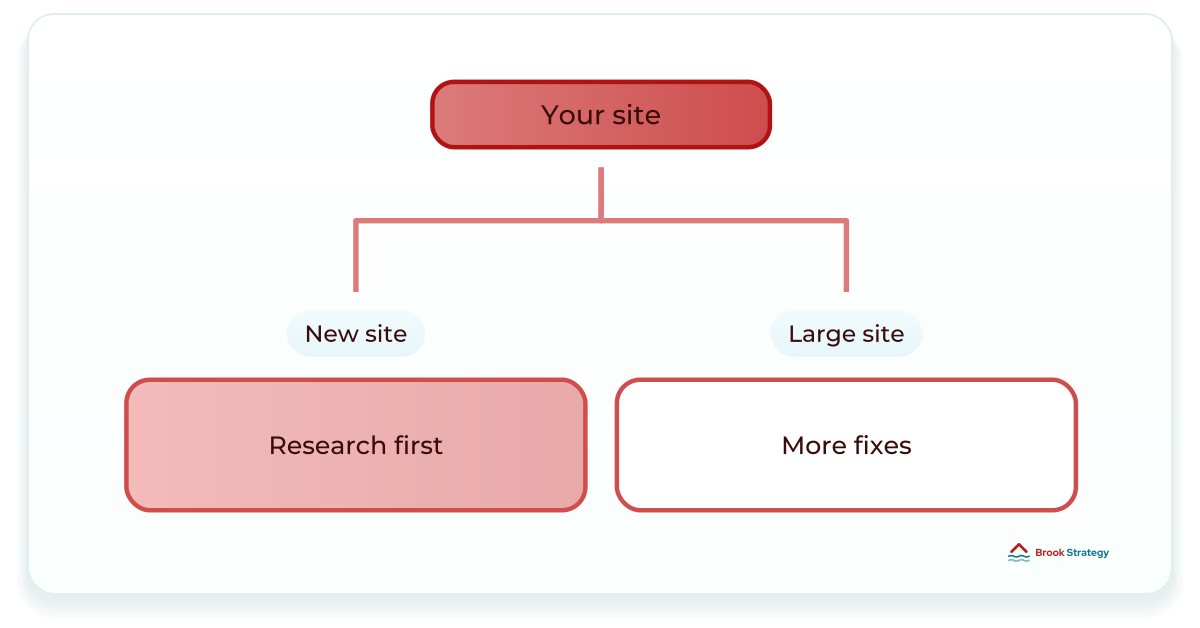
A new site has no baseline and little authority, so spend phase one on competitor research, and expect phase three to take longer. A large site with years of content often needs more of phase two and can skip some of phase three. Before you copy the plan, check these points:
- How much developer time you can count on in the first three months
- How many pages already rank on page two, since these are your quick wins
- Whether your writers can produce commercial pages, or need a brief for each
- What tools you have, since a crawl and a rank tracker are the minimum
If you are choosing tools for those two jobs, the SEO tools ranking weighs up the main options. If the plan needs a second pair of eyes, a short call is usually enough to adjust the sequence.
Questions About the SEO Strategy Roadmap
How Long Does an SEO Roadmap Take to Show Results?
Quick wins on existing pages can show within two to three months. New pages usually need longer, often four to six months to rank, and competitive topics take more. Nobody can promise a date, so judge the roadmap by leading signs such as indexed pages and rising impressions, then by leads.
Can I Run the Phases Faster?
Yes, if you have a large team and a clean site. Many companies overlap phases two and three. What you should not skip is the baseline and the first batch review, because they tell you whether to continue.
How Many People Do I Need to Run the Roadmap?
A lean version needs an owner, a writer and part-time developer help. Larger sites add an editor and a technical SEO. The roadmap works at either size, but the number of pages in phase four will change.
What Should I Do If Rankings Drop During the Roadmap?
Check what changed first: a site release, a search update or a competitor. Compare dates in Search Console before you act. Avoid large rewrites in response to one bad month, and look at the trend over at least a quarter.
How Do I Decide How Many Pages to Publish?
Work backwards from your team capacity and quality. Count the hours for a good page, including research and review, and divide your available hours. Publish that number each month, and use leftover time on updates.
Should I Build Links from the Start?
Not as a separate campaign. Good commercial pages and useful guides earn some links on their own. Plan deliberate outreach after the core pages exist, so you have something worth linking to.
When Should I Use a Consultant for the Roadmap?
Use one when you lack the time to research topics, when a migration or a traffic loss needs expert review, or when leaders disagree on priorities. A free call can show whether outside help is worth the cost.
Note: This article is general information, not legal, financial or tax advice. Figures and examples are estimates based on typical projects, so check current details with your providers and advisers before you decide.
Was this article helpful?
Thank you for letting us know.
Russell Tennant
Russell leads the Brook editorial team and works with our consultants to turn real client engagements into practical guides on roadmaps, go-to-market planning, growth and competitive strategy. Before joining Brook, he spent 11 years in strategy and product marketing roles at software and financial services companies. He has since edited more than 300 articles on strategy practice and drawn on roadmaps and growth plans from over 100 client projects. He is based in Denver, Colorado.