Key Takeaways
- Split the year into four phases: foundations, launch, scale and optimize, each with a clear exit test.
- Fix measurement and research in the first 60 days, because every later budget decision depends on them.
- Give every initiative an owner, a target and a review date, or it will drift.
- Review results monthly and rewrite the plan quarterly, keeping months 7 to 12 flexible.
Most marketing plans fail in the gap between a good strategy and a calendar. A roadmap closes that gap by turning your choices into phases, owners and dates. If you work with a digital marketing strategy consulting partner, this is the document you should expect at the end of the planning stage.
Below is the 12-month structure I use as a starting point, with what happens in each phase and how to know it is finished. Adjust the timing to your sales cycle, because a company that closes deals in two weeks needs a faster plan than one that takes nine months.
The Four Phases at a Glance
Read the table first. It shows the whole year on one screen, and the sections below explain each row.
| Phase | Months | Main work | Exit test |
|---|---|---|---|
| 1. Foundations | 1 to 2 | Goals, tracking, audience research, channel scoring | Targets signed off and tracking verified |
| 2. Launch | 3 to 4 | First campaigns, content base, email flows, small paid tests | Each channel has baseline cost and conversion data |
| 3. Scale | 5 to 8 | More budget to winners, new content clusters, sales alignment | Pipeline from marketing meets the quarterly target |
| 4. Optimize | 9 to 12 | Conversion work, retention, channel cuts, next-year plan | Plan for the next year approved with updated targets |
Months 1 to 2: Set the Goal and Fix Measurement
The first phase has the least visible output and the biggest effect on everything after it. You decide what the plan must deliver, then build the instruments to check it. I have seen teams skip this and spend a quarter arguing about whose numbers were right.
Start with one revenue target and work backward. A target of new annual revenue, divided by your average deal size and close rate, tells you how many qualified leads you need each month. That figure then sets the budget range for the year. If the numbers do not fit, you want to learn that now.
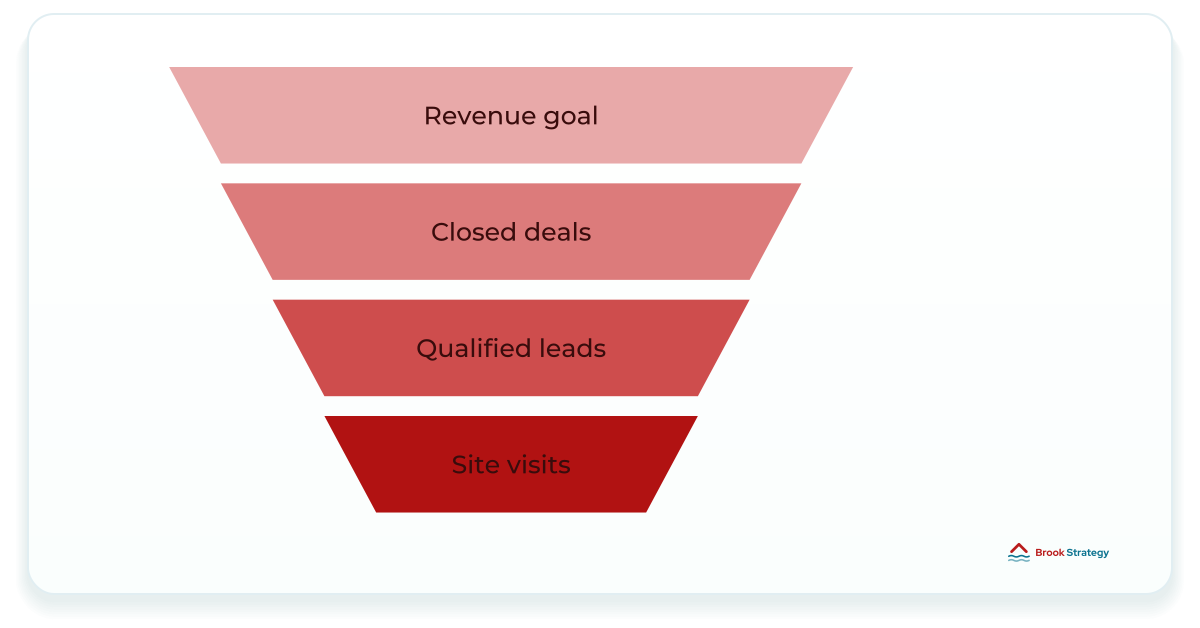
- Write the revenue goal and the lead target it implies, and have finance confirm both.
- Agree with sales on what counts as a qualified lead, in one sentence.
- Install analytics, conversion events and campaign tagging, then test each one by submitting a form yourself.
- Interview five to ten customers and a few lost prospects about how they found and chose you.
- Score your candidate channels for reach, cost, speed and fit with your sales cycle.
The digital marketing strategy checklist covers this phase point by point, in case you want a version to tick off with your team.
Months 3 to 4: Launch a Small Set of Channels
Now you spend, but carefully. Pick two to four channels from your scoring, give each a modest budget and a single question to answer. A search campaign might test whether your top five keywords produce leads below your target cost. An email series might test whether your content turns subscribers into demos.
Publish the cornerstone content your plan depends on. For most companies that means three to six pages or posts built around buyer questions, plus the landing pages that convert them. Resist the urge to publish thirty articles at once, because you cannot learn from thirty.
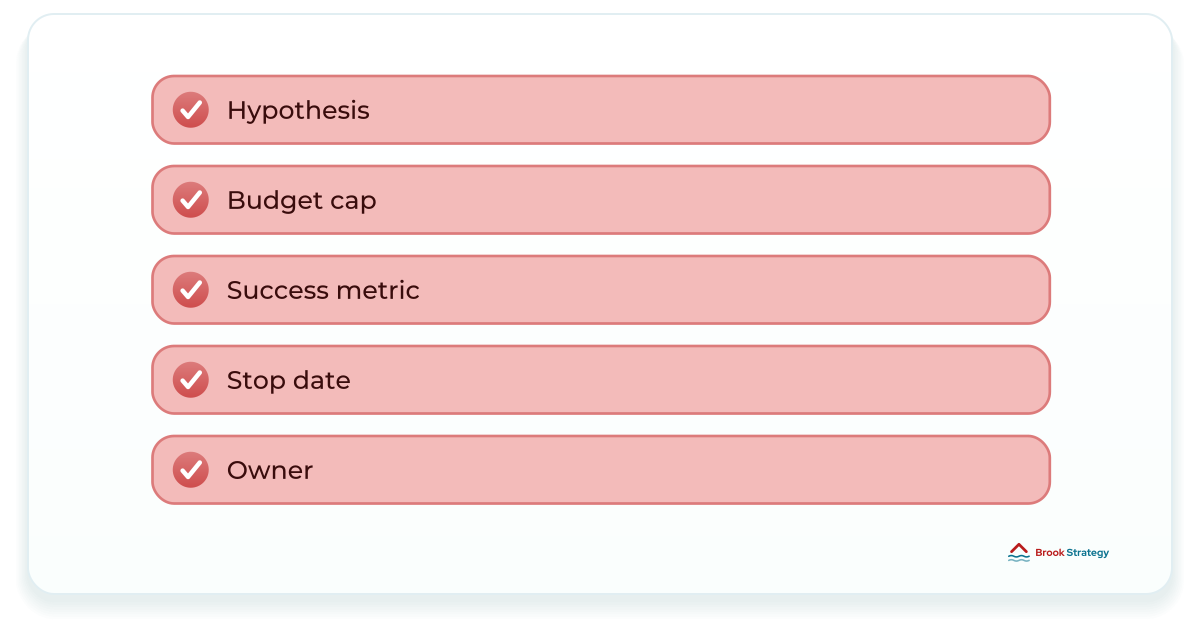
Write each test down before it starts: the hypothesis, the budget, the duration and the result that would make you scale, hold or stop. Tests without a stop rule tend to run until the money is gone. A digital marketing tools comparison helps you pick platforms that report these numbers cleanly, so you are not stitching spreadsheets together at month-end.
Months 5 to 8: Move Budget Toward What Works
By month five, you have two or three channels with real numbers. This phase is about concentration. Take budget from tests that missed and give it to the channels whose cost per qualified lead is on target. Add depth, such as new keyword groups, additional audiences or longer email journeys, rather than new channels.
Sales alignment matters most here. Meet with the sales team every two weeks to review which leads they accepted and which they rejected, and why. Their feedback is the fastest way to improve targeting, and it prevents the quiet drift where marketing reports leads that sales ignores.
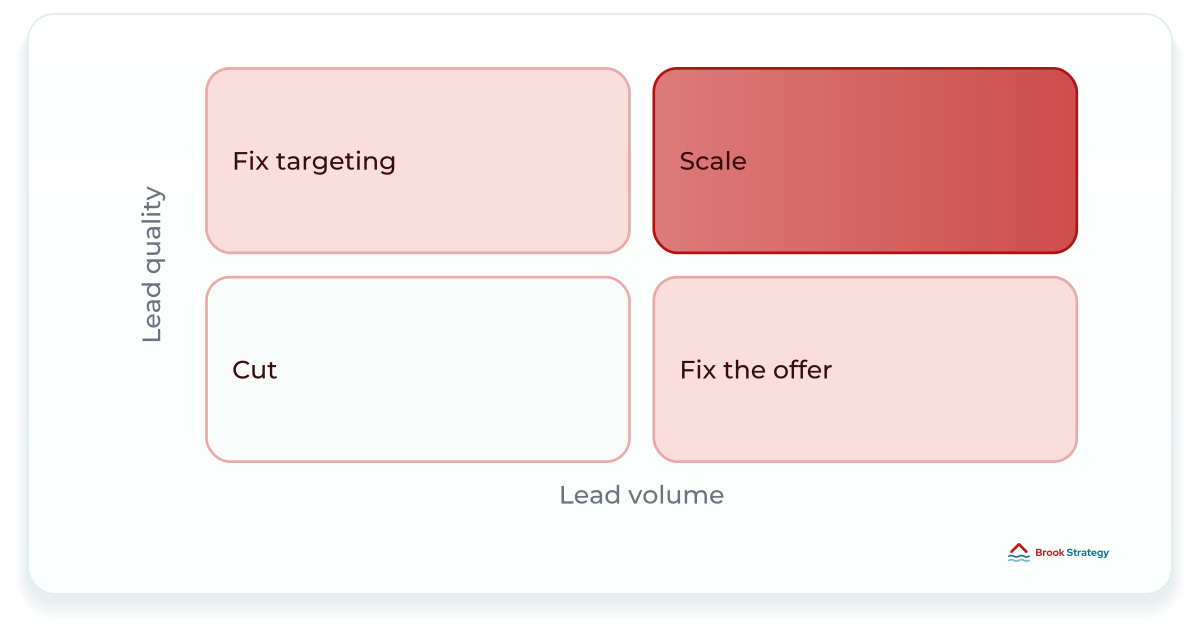
| Decision | Scale when | Hold when | Cut when |
|---|---|---|---|
| Paid channel | Cost per qualified lead is under target for 6 weeks | Cost is within 20% of target and improving | Cost stays above target after two creative rounds |
| Content cluster | Pages rank on page one and drive sign-ups | Pages are indexed and climbing | No ranking movement after six months |
| Email flow | Replies and demo requests rise with list size | Open rates are healthy but conversion is flat | Unsubscribes climb and conversion stays low |
Months 9 to 12: Optimize, Retain and Plan the Next Year
The last phase shifts from growth to efficiency. Improve landing pages and sign-up flows, because lifting conversion by a point helps every channel at once. Look at existing customers too: onboarding emails, reviews and referral prompts often return more per dollar than new acquisition.
Hold a full review in month ten. List every channel, its spend, its pipeline and its trend, and decide what stays, grows or ends. Then draft the plan for next year while the evidence is fresh, and share it with finance before budgets close.
A Worked Example of the Budget Split
Numbers make the phases easier to picture. Take a software company with a $240,000 annual marketing budget and a goal of 40 new customers. I would hold $30,000 in reserve and plan the rest roughly as shown below. The percentages shift with your market, so treat them as a starting point you test against your own data.
| Phase | Share of budget | Amount | Where it goes |
|---|---|---|---|
| Foundations | 8% | $19,200 | Research, tracking, tool setup |
| Launch | 20% | $48,000 | Content base, paid tests, email flows |
| Scale | 40% | $96,000 | Winning channels and new content clusters |
| Optimize | 19.5% | $46,800 | Conversion work, retention, next-year planning |
| Reserve | 12.5% | $30,000 | Opportunities found during the year |
Notice how little goes into the first phase. Most of the money arrives after you know which channels work, which is the whole point of phasing the year. If a channel proves itself early, you can release reserve money in month four instead of waiting for phase three.
Who Owns Each Part of the Roadmap
A roadmap without owners is a wish list. Name one person for each row, even if that person delegates the work. In small teams, one marketer can hold three or four rows, and that is fine as long as the names are written down.
- Strategy and budget: the marketing lead, with a finance reviewer.
- Measurement and reporting: whoever owns analytics, with sales ops signing off the definitions.
- Channels: one owner per channel, responsible for the target and the monthly report.
- Sales feedback loop: a sales manager who joins the biweekly review.
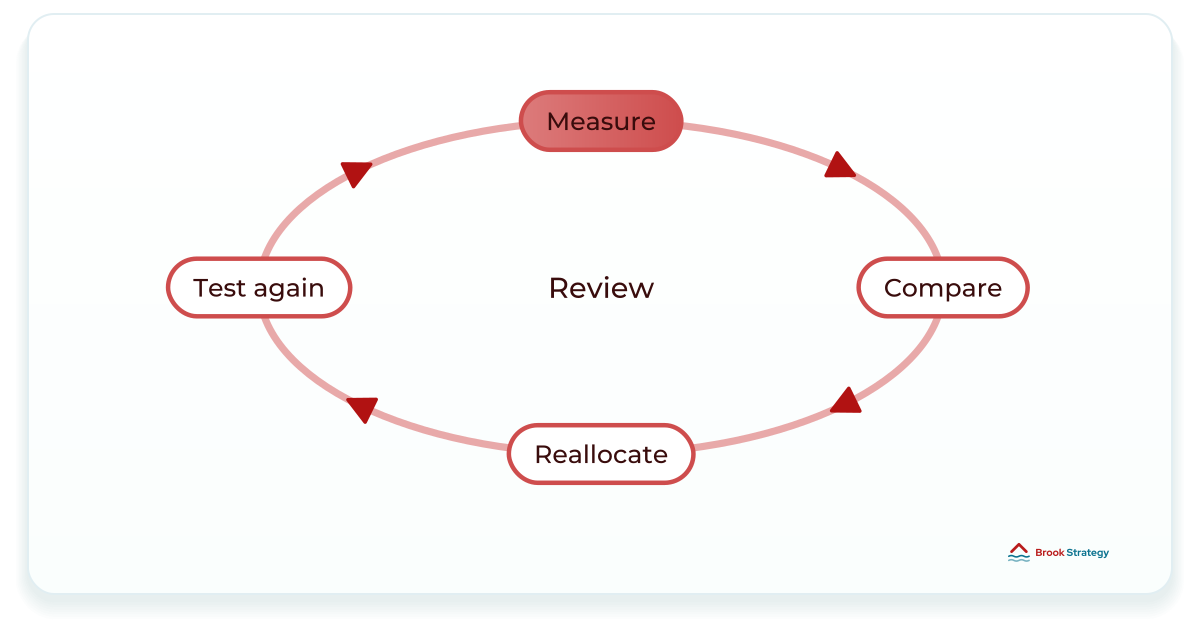
Keep the review rhythm light. A 45-minute monthly meeting with one dashboard works better than a long deck. Each owner answers three questions: what happened, why, and what changes next month.
Roadmap Mistakes I See Most Often
The same problems show up across plans. Most are easy to prevent once you know them.
- Starting too many channels at once, which splits the budget until no test has enough data.
- Planning all twelve months in the same detail, so the plan breaks in the first quarter and gets abandoned.
- Reporting activity, such as posts and impressions, instead of pipeline and revenue.
- Leaving sales out of the plan, then wondering why leads are rejected.
- Skipping the stop rule, so weak channels keep their budget by default.
If a mistake has already cost you a quarter, the fix is the same: reset the targets, clean the tracking and shorten the plan to 90 days until you have evidence again.
How to Adapt the Roadmap to Your Situation
The four-phase shape stays the same, but the timing shifts with your business. A company with a two-week sales cycle can compress phases one and two into a single month. A company selling to large organizations should stretch phase three, because pipeline takes longer to show up in revenue.
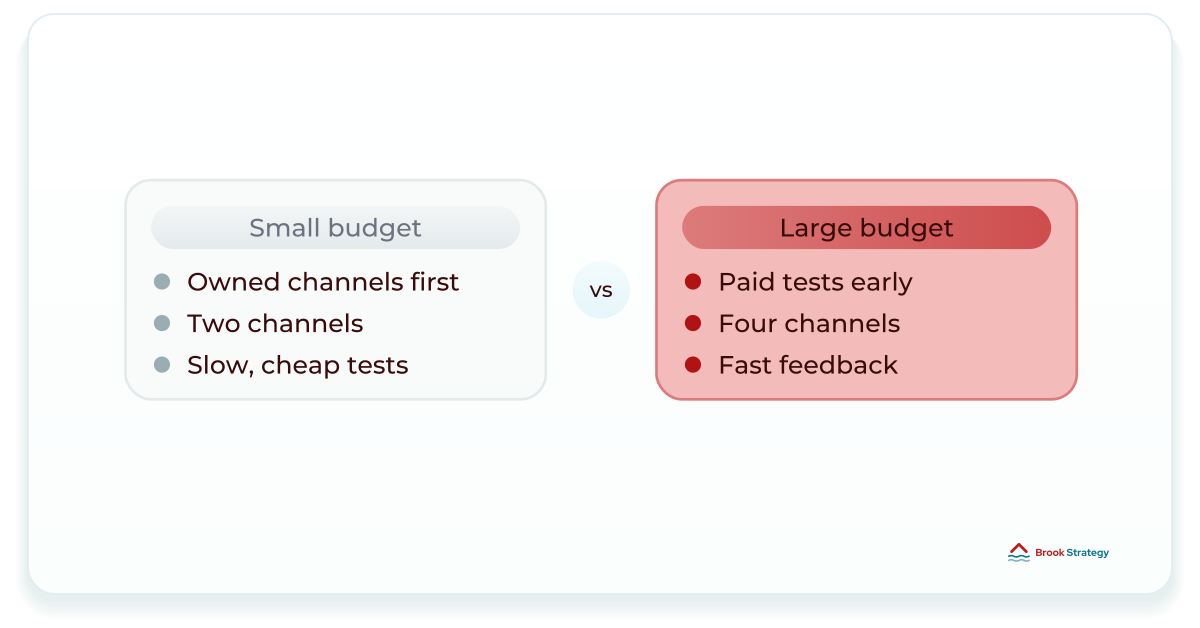
Budget also changes the order. With a small budget, favor channels that compound without per-click costs, such as search content and email, and keep paid tests tiny. With a larger budget, run paid search and partnerships earlier to gather data faster. In either case, protect a reserve for the opportunities you cannot predict, because there will be some.
- Do you have a revenue target and a lead target that finance has seen?
- Can you track a lead from first click to closed deal?
- Does each channel have an owner, a budget and a stop rule?
- Is there a monthly review in the calendar, with sales invited?
If you cannot answer yes to all four, fix that before you extend the plan. If you would rather have someone build it with you, the strategy team at Brook can walk you through it on a call.
Questions About a Digital Marketing Roadmap
How Long Should a Digital Marketing Roadmap Cover?
Twelve months is the right horizon for most teams. It is long enough to see a channel mature and short enough to stay accurate. I lock the first quarter in detail, outline the second and keep the last two quarters as hypotheses that you revisit every 90 days.
What Is the Difference Between a Digital Marketing Strategy and a Roadmap?
The strategy decides where you compete, who you target and which channels carry the work. The roadmap puts those choices in time order, with owners, budgets and milestones. You need the strategy first, because a roadmap built without one only organizes activity.
How Much Budget Should I Plan for Each Phase?
Front-load the work that makes later spending efficient. In my client plans, the first two months use a small share of the annual budget, because they cover tracking, research and a few tests. Spending then rises as channels prove themselves, and I hold 10 to 15 percent in reserve for what you learn along the way.
Which Channel Should I Start With?
Start where your buyers already show intent and where you can measure results within weeks. For many B2B and software companies that is search plus a small paid test. For online stores it is often email and paid search. Add social and partnerships once the base is tracked.
How Often Should I Update the Roadmap?
Review it monthly and rewrite it every quarter. A monthly check compares results with targets and moves small amounts of budget. The quarterly rewrite adds what you learned, drops channels that missed and sets the next 90 days in detail.
What If My Results Miss the Targets in the First Quarter?
That is common, and it is the reason the first quarter exists. Check tracking first, because broken measurement explains many misses. Then look at message and audience before you blame the channel. If a channel misses twice with clean data, cut it or shrink it.
Do I Need a Consultant to Build a Digital Marketing Roadmap?
No, but it helps when your team lacks time or an outside view. A consultant brings benchmarks from other plans and challenges assumptions that insiders stop questioning. If you build it yourself, have someone outside marketing, such as sales or finance, review it before you commit.
Note: This article is general information, not legal, financial or tax advice. Figures and examples are estimates based on typical projects, so check current details with your providers and advisers before you decide.
Was this article helpful?
Thank you for letting us know.
Russell Tennant
Russell leads the Brook editorial team and works with our consultants to turn real client engagements into practical guides on roadmaps, go-to-market planning, growth and competitive strategy. Before joining Brook, he spent 11 years in strategy and product marketing roles at software and financial services companies. He has since edited more than 300 articles on strategy practice and drawn on roadmaps and growth plans from over 100 client projects. He is based in Denver, Colorado.