Key Takeaways
- A strategy needs a revenue goal, defined buyers, a channel plan, a budget, a message, tracking, a roadmap and a review rhythm.
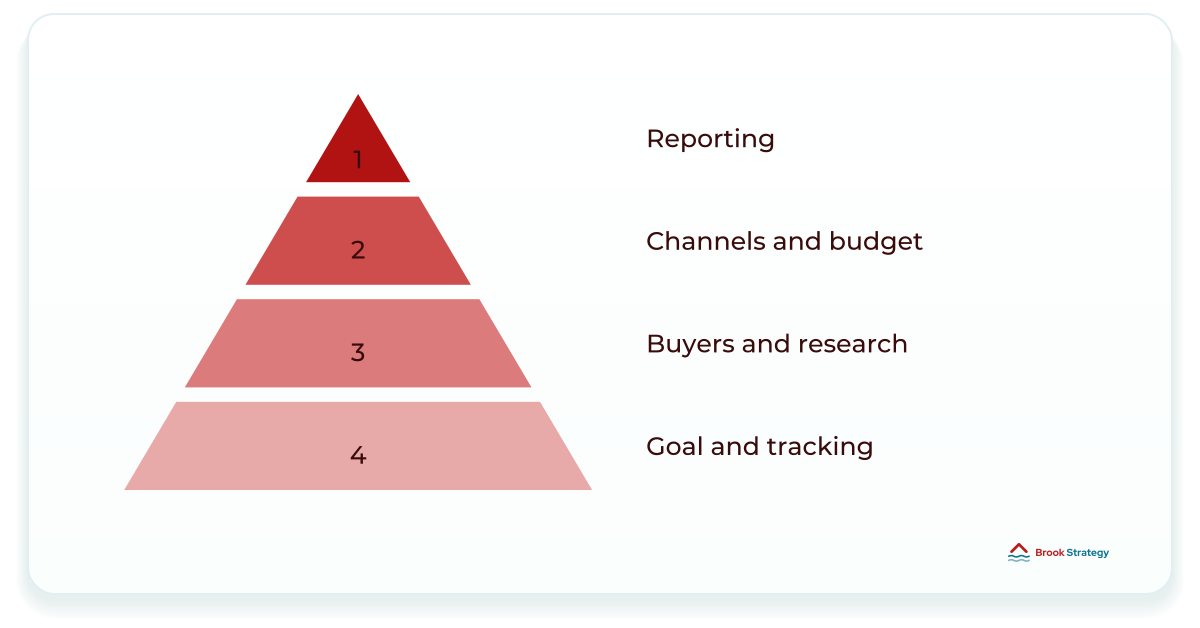
- Fix tracking before you spend, because broken measurement makes every later decision a guess.
- Limit the plan to three to five channels and give each one a job, a target and a stop rule.
- Review monthly, rewrite quarterly and keep a reserve for what you learn.
Teams often ask me whether their marketing plan is complete. A checklist answers that faster than a debate does. If you are working with a digital marketing strategy consulting partner, these are the ten points I would expect to see covered before any large spend.
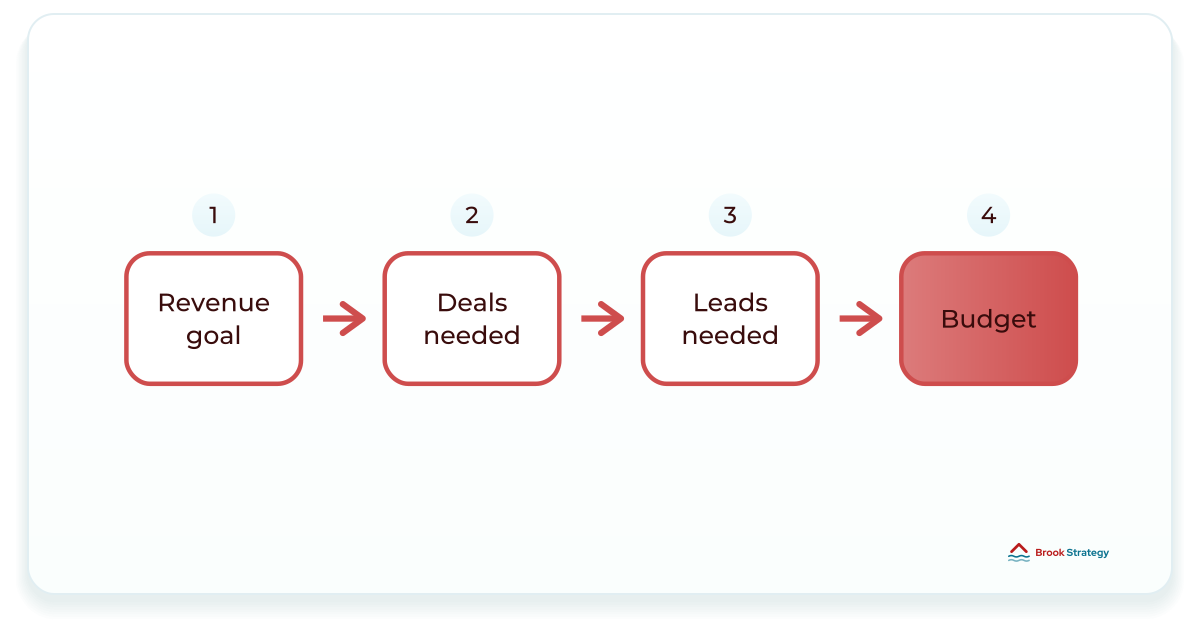
Work through the list in order, because each point feeds the next. Tick off what you have, mark what is missing and fix the gaps before launch. The summary table below lets you check the whole list in a minute.
| Point | Question to answer | Evidence you have it |
|---|---|---|
| 1. Goal | What revenue must marketing deliver? | A number, a date and finance sign-off |
| 2. Buyers | Who buys and why now? | Descriptions that match your last 20 wins |
| 3. Audit | What runs today and what does it return? | A channel table with spend and revenue |
| 4. Research | Where is the demand and the gap? | Competitor review and search sizing |
| 5. Channels | Which channels and for what job? | Three to five channels with targets |
| 6. Budget | How much, and when? | Spend by channel and quarter plus a reserve |
| 7. Message | What do you promise and prove? | A shared message document |
| 8. Tracking | Can you follow a lead to revenue? | A test lead seen in the CRM |
| 9. Roadmap | Who does what, and when? | Phases with owners and dates |
| 10. Review | How will you check progress? | One dashboard and a calendar of reviews |
The 10 Checks, One by One
Each check has a short explanation and three actions. Do the actions before you move on, and write down what you decide.
1. Set One Revenue Goal
Every strategy I have reviewed that worked began with a single number: new revenue, new customers or pipeline value for the next 12 months. A goal such as raise awareness cannot be checked, so it cannot guide a budget.
Work backward from the number. Divide it by your average deal size and close rate to find how many qualified leads you need each month, then ask whether your current traffic and sales capacity can reach that figure.
- Write the goal as a number with a date.
- Convert it into a monthly lead and sales target.
- Have finance confirm the assumptions.
2. Define Your Buyers in Plain Words
List the two or three types of buyer who actually sign. Describe each by the problem they have, the trigger that makes them look and the people who must agree, rather than by age or job title alone.
Check the description against your CRM. If your last twenty wins do not match it, rewrite it until they do.
- Name the problem each buyer wants solved.
- Note the trigger event that starts their search.
- List who else joins the decision.
3. Audit What You Already Run
Before you add anything, record what exists: channels, spend, leads and closed revenue for the past 12 months. Most teams discover that two channels produce most of the pipeline and a few produce almost none.
Be honest about attribution gaps. Where data is missing, mark it as unknown instead of guessing, and fix the gap in point eight.
- Pull spend and results by channel.
- Mark channels with missing data.
- Note what sales says about lead quality.
4. Research Competitors and Demand
Look at how three to five competitors position themselves, which keywords they win and which offers they push. You are looking for gaps, such as a question buyers ask that nobody answers well.
Search data tells you how big each topic is. A tool from my ranking of digital marketing tools can size demand in an afternoon.
- Review competitor sites, ads and content.
- Size search demand for your top topics.
- List three gaps you could own.
5. Choose Channels and Give Each a Job
Pick a small number of channels and write one job for each. Search might capture existing demand, email might nurture leads and paid social might retarget visitors. A channel without a job tends to drift.
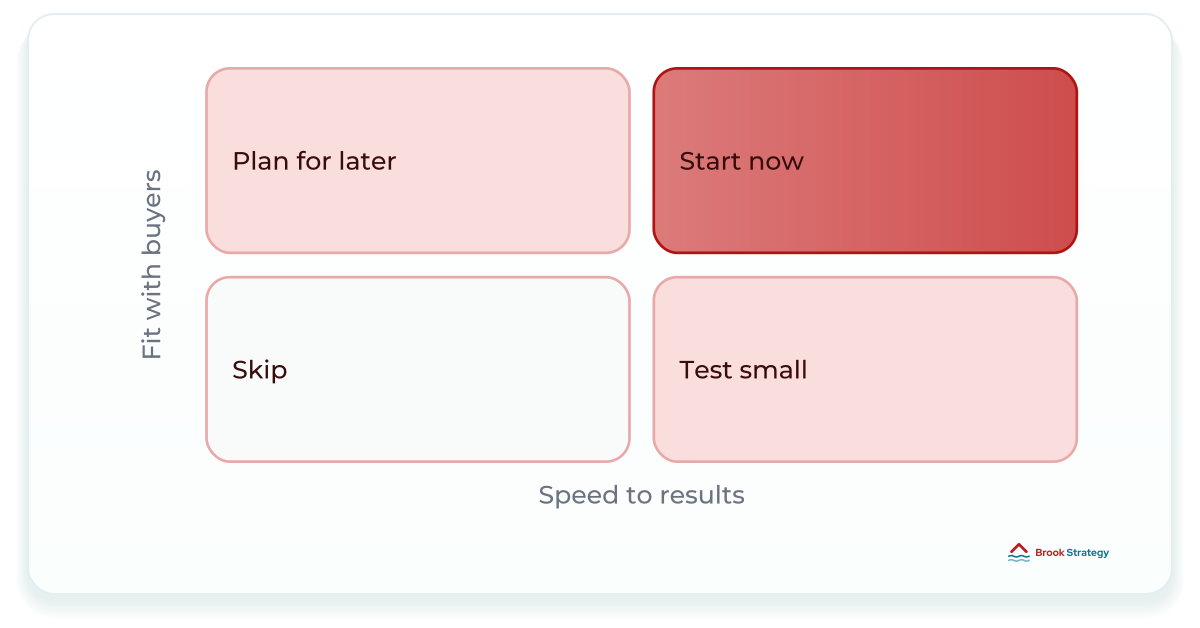
Score candidates on reach, cost, speed and fit with your sales cycle. Cut anything that scores low unless you can name a reason to test it.
- Limit the plan to three to five channels.
- Write the job and target for each.
- Set a stop rule for tests.
6. Set the Budget From the Goal
Budget follows from the lead target and your expected cost per lead, not from last year's figure plus ten percent. If the maths does not fit, adjust the goal or the plan before the year starts.
Hold back a reserve of 10 to 15 percent. Some of your best opportunities will show up after the plan is written.
- Split spend by channel and by quarter.
- Include tools, content and people costs.
- Keep a reserve for what you learn.
7. Shape the Offer and Message
For each buyer, write the promise, three proof points and the next step you want them to take. Test the wording with a few customers before you publish it across channels.
Keep a single message document that sales and marketing share. If a salesperson explains your product differently from your website, buyers notice.
- Write one promise per buyer type.
- Back it with real proof.
- Define the call to action for each stage.
8. Fix Tracking Before You Spend
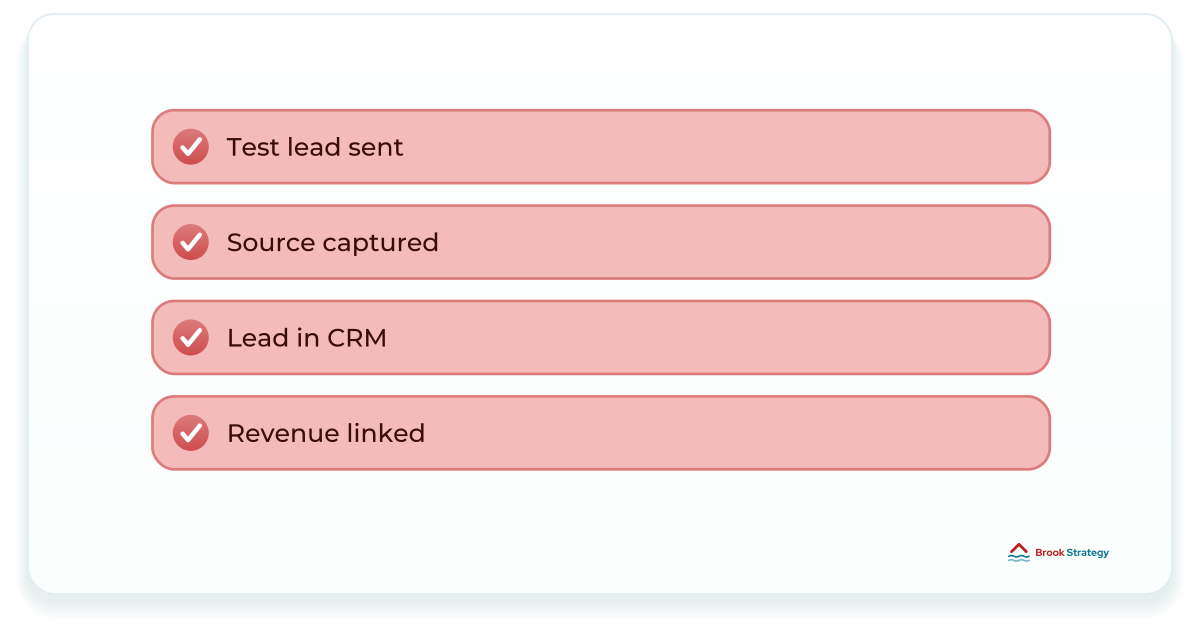
Install analytics, name your conversion events and tag every campaign link in a consistent way. Then submit a test lead and follow it into your CRM to be sure the source arrives intact.
This step is dull and it saves more money than any other on the list. A budget spent with broken tracking can only be judged by opinion.
- Test every conversion event yourself.
- Use one tagging convention for all links.
- Send source data into the CRM.
9. Build the 12-Month Roadmap
Turn the choices into phases, owners and dates. The digital marketing strategy roadmap shows a four-phase layout you can copy, with the first quarter planned in detail and later quarters kept flexible.
Give each initiative one owner and a review date. A task shared by three people usually has no owner at all.
- Plan the first 90 days in detail.
- Name an owner for every initiative.
- Put review dates in calendars.
10. Agree on Reporting and Review
Choose five or six numbers that show whether the strategy works: qualified leads, cost per lead, pipeline, revenue by channel and conversion rates. Put them on one dashboard that sales also trusts.
Meet monthly to compare results with targets and quarterly to rewrite the plan. Without this rhythm, even a good strategy goes stale.
- Pick five or six core numbers.
- Share one dashboard with sales and finance.
- Schedule reviews for the year.
Points four and five are the ones teams fill in too quickly, so give them a second pass.
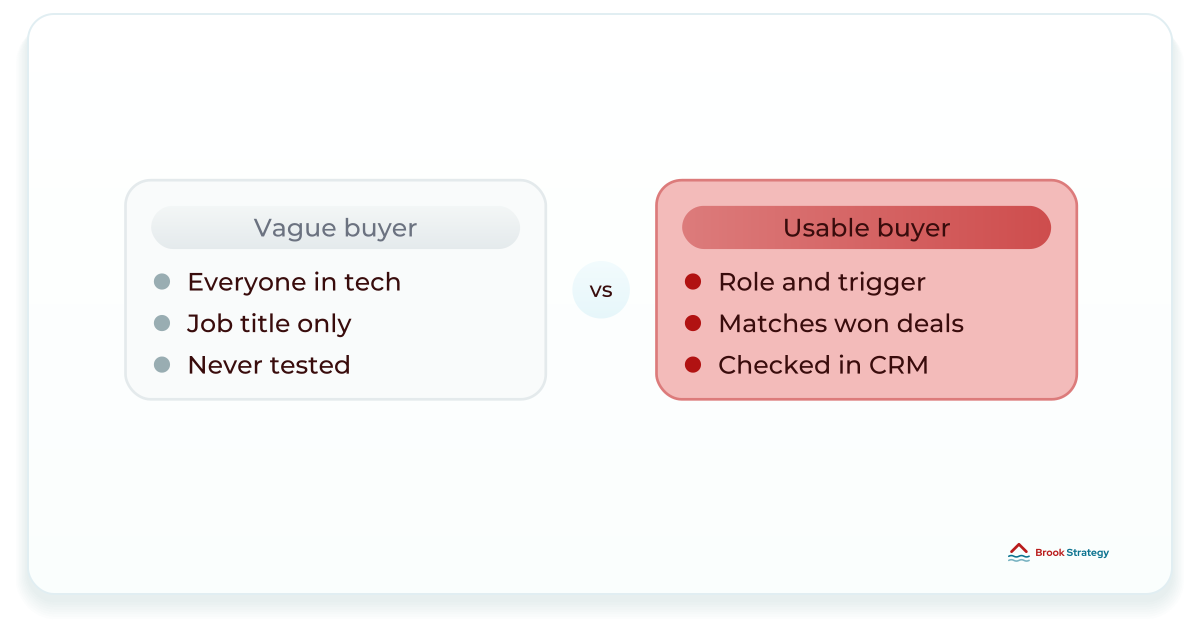
Buyer and channel choices set the limits for everything after them.
How to Score Your Own Plan
Give yourself two points for each check that is complete and written down, one point for a check that is partly done and zero for anything missing. A score of 17 or more means you can launch with confidence. Between 12 and 16, fix the gaps in goal, tracking and owners first, because those three cause the most damage when absent. Below 12, pause new spending and finish the foundations.
| Score | What it means | Next move |
|---|---|---|
| 17 to 20 | Ready to launch | Start phase one of your roadmap |
| 12 to 16 | Gaps that will cost money | Close goal, tracking and owner gaps first |
| 0 to 11 | Plan is not ready | Pause spend and finish points one to eight |
Do the scoring with one person from sales and one from finance. They will spot weak assumptions faster than anyone in marketing, and they gain a stake in the result.
What to Do After You Finish the Checklist
A completed checklist is a starting line. Share the one-page summary with leadership and book the first monthly review before you launch anything. Then run the first 90 days with a narrow focus, and measure everything against the targets you wrote down.
Expect some misses. In my client work, the first quarter usually corrects one or two assumptions, such as a channel that costs more than planned or a message that needs rewording. That is the plan doing its job, and the quarterly rewrite is where you act on it.
How to Decide Whether You Need Outside Help
You can complete this list alone if you have a marketing lead with time, clean data and the standing to challenge leadership assumptions. Outside help makes sense when your team lacks capacity, when past results were poor and nobody agrees why, or when you need a neutral voice between sales and marketing.
- You cannot agree on the revenue goal or the buyer definition.
- Your tracking is unreliable and nobody owns fixing it.
- You run many channels and cannot tell which ones earn their budget.
- The plan keeps changing because nobody wrote it down.
If two or more of those apply, a short strategy review can set the plan straight before you spend another quarter on guesswork.
Questions About Your Digital Marketing Strategy Checklist
What Should a Digital Marketing Strategy Include?
At minimum: a revenue goal, defined buyers, a channel plan with budgets, a message, tracking, a roadmap with owners and a review rhythm. These ten points cover each of them. If a document leaves out the goal or the owners, I would treat it as a plan to improve rather than a strategy.
How Long Does It Take to Complete This Checklist?
Most teams need four to eight weeks, depending on how much data they already have. Points one to three go fast if your CRM is clean. Tracking and research take longer, and getting leadership to agree on the goal can take the longest.
Can a Small Business Use the Same Checklist?
Yes, with lighter versions of each step. A small team might interview three customers instead of ten and pick two channels instead of five. The order stays the same, and the benefit is that you avoid spreading a small budget over too many places.
How Often Should I Revisit the Checklist?
Run through it fully once a year and do a short pass every quarter. In a quarterly pass, check the goal, review channel results, confirm tracking still works and update the next 90 days. Changes in pricing, product or sales staffing should trigger an earlier review.
What Is the Most Commonly Skipped Item?
Tracking. Teams assume it works because dashboards show numbers, then discover months later that conversions were double-counted or sources were lost. Testing a lead from first click to CRM takes an hour and prevents that.
Should I Build the Strategy Myself or Hire Help?
Both work. If you have a marketing lead with time, build it in-house and have an outsider review it. If your team is stretched or you are resetting after poor results, an outside strategist can finish the first draft faster and bring benchmarks from other plans.
How Do I Know If My Strategy Is Working?
Compare monthly results with the targets from your roadmap. Look at qualified leads, cost per lead and pipeline first, and revenue once deals close. If two months in a row miss the target with clean tracking, change something in message, audience or channel.
Note: This article is general information, not legal, financial or tax advice. Figures and examples are estimates based on typical projects, so check current details with your providers and advisers before you decide.
Was this article helpful?
Thank you for letting us know.
Russell Tennant
Russell leads the Brook editorial team and works with our consultants to turn real client engagements into practical guides on roadmaps, go-to-market planning, growth and competitive strategy. Before joining Brook, he spent 11 years in strategy and product marketing roles at software and financial services companies. He has since edited more than 300 articles on strategy practice and drawn on roadmaps and growth plans from over 100 client projects. He is based in Denver, Colorado.