Key Takeaways
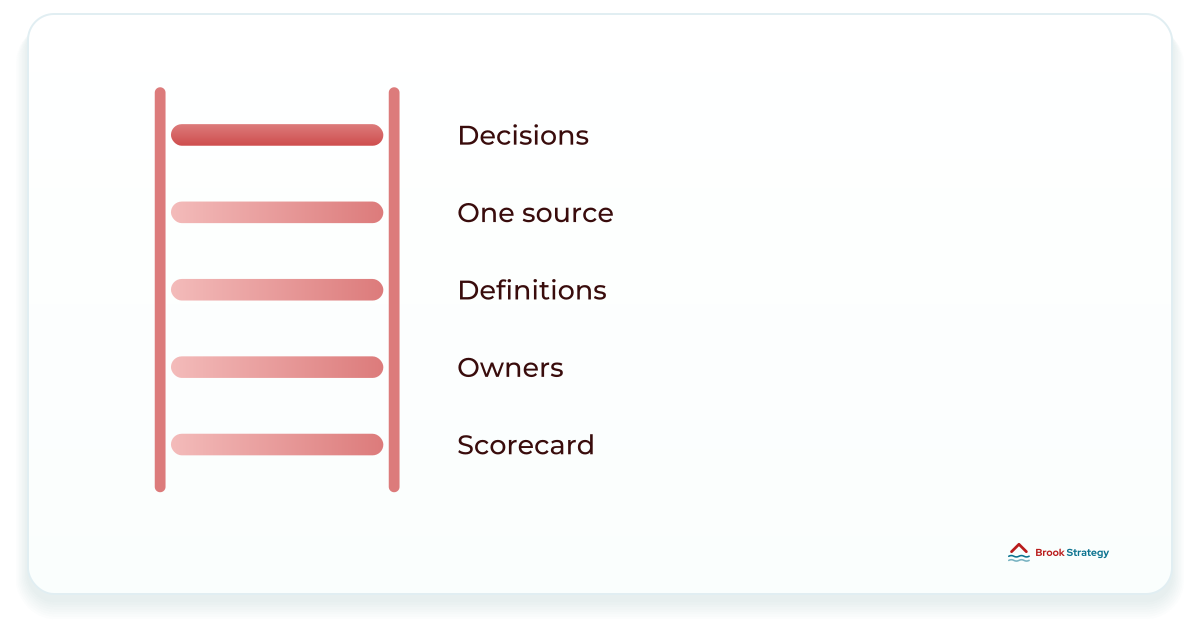
- A small business data strategy is a set of habits, not a platform: definitions, owners and a weekly scorecard.
- Start from the five decisions you make most often, then track only the numbers that feed them.
- Spreadsheets and the tools you already pay for will carry you further than most owners expect.
- Spend on software only after a manual task has proven it costs hours every week.
Most small companies do not have a data problem in the usual sense. They have two or three systems, a pile of spreadsheets and a founder who knows the numbers by heart. The trouble starts when the business grows past what one person can hold in their head. A short, practical plan, which is what a data strategy consulting project delivers at larger scale, keeps that from becoming a mess.
Below are six moves I recommend to companies with fewer than 100 staff. Each has a "do this" and an "avoid this", plus rough costs so you can plan.
Six Simple Wins, Each With a Pitfall to Skip
1. Write Down the Five Decisions That Matter
Do this: List the five decisions you make most often that depend on numbers, such as how much to spend on ads, whom to hire next, which customers to prioritize, what to charge and when to reorder. Next to each, write the number you use today and where it comes from.
Avoid this: Starting with a tool, a dashboard or a list of every field you could track.
2. Pick One Source of Truth Per Number
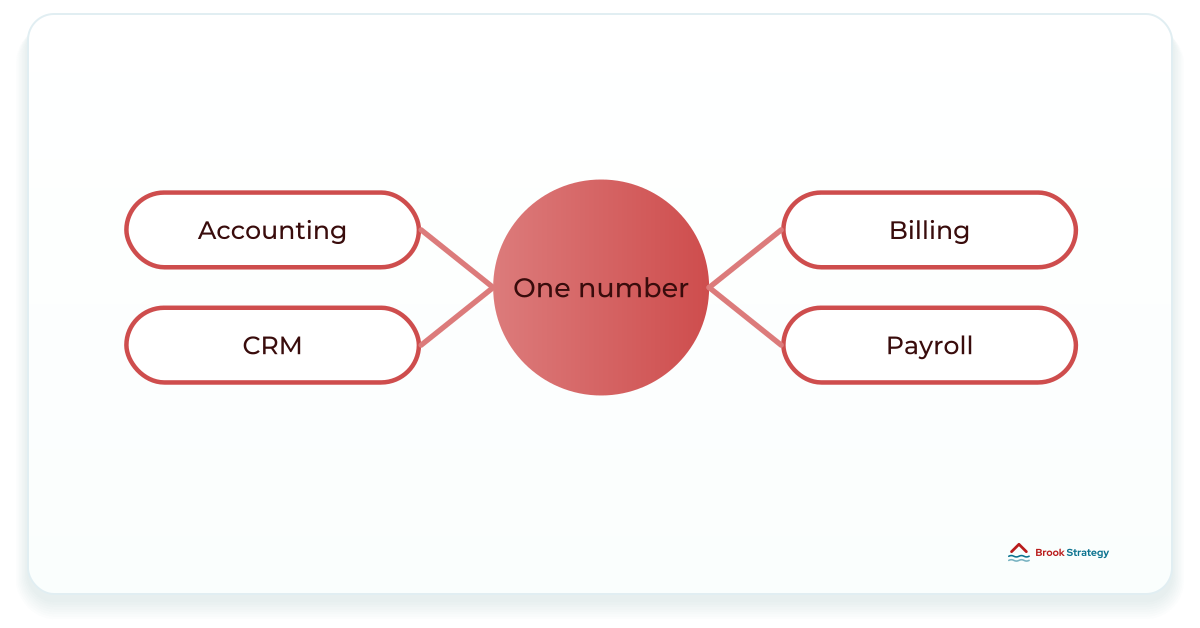
Do this: Revenue lives in your accounting system or your payment processor, not in three spreadsheets. Customers live in your CRM or billing tool. Decide where each number is born, and every other place copies from it.
Avoid this: Keeping the same figure in several places and fixing them by hand.
3. Define Your Key Terms on One Page
Do this: Write one sentence for each term you use in meetings: customer, active customer, lead, sale, churn, margin. Share the page with everyone who reads reports. It takes an hour and ends a surprising number of arguments.
Avoid this: Assuming everyone means the same thing by the same word.
4. Name an Owner for Each Source
Do this: Give every system one person who is responsible for keeping it accurate. In a small team that person may own three sources, and that is fine. The point is that when a number looks wrong, someone knows it is theirs to check.
Avoid this: Leaving data clean-up to whoever notices the problem first.
5. Build One Weekly Scorecard
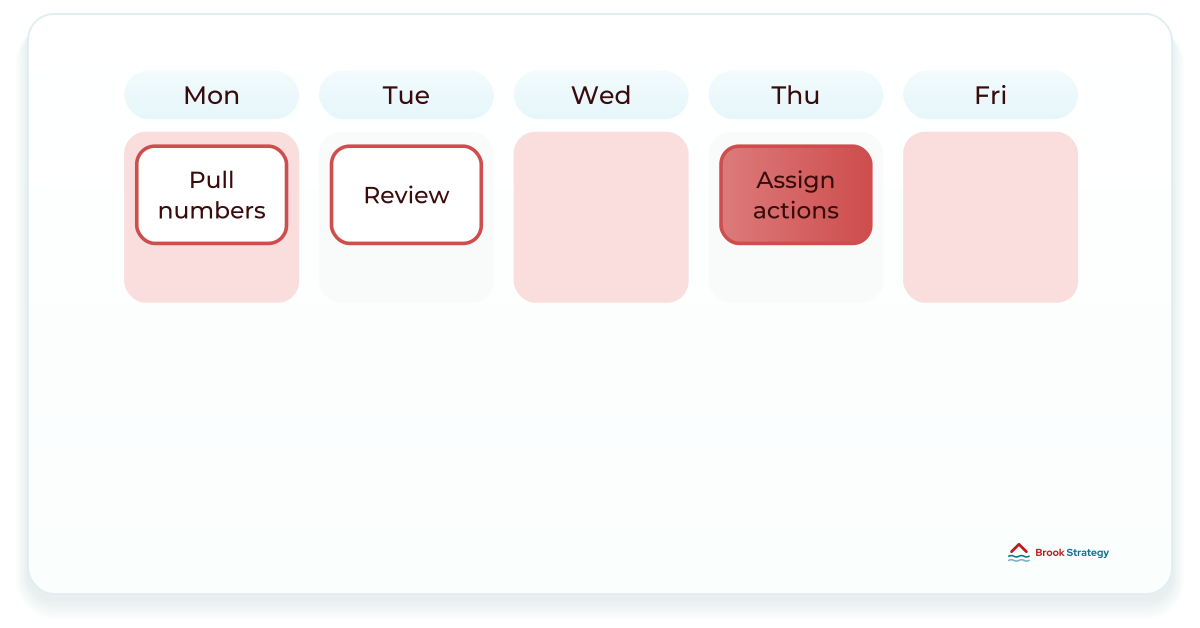
Do this: Pick five to eight numbers that show how the business is doing, update them on a fixed day and look at them together. A shared spreadsheet is enough. Track the trend, not only the current value.
Avoid this: Building a dashboard with thirty charts that nobody opens after the first week.
6. Protect What You Hold
Do this: Keep customer data in as few places as you can, limit who can see it, turn on two-step sign-in and remove access when people leave. Ask your own legal adviser which rules apply to you, because they differ by location and industry.
Avoid this: Sharing one login across the team or keeping customer lists in personal email.
What It Costs and How Long It Takes
Most of the work is thinking and agreeing, which costs time more than money. The table gives realistic effort for a team of 10 to 50 people, using in-house time and tools you likely already own.
| Move | Effort | Typical tools | Cash cost |
|---|---|---|---|
| Decision list | 2 to 3 hours | Document or spreadsheet | None |
| Source of truth | 1 to 2 days | Existing accounting, CRM, billing | None |
| Definitions page | 1 to 2 hours | Shared document | None |
| Owners | 1 meeting | None | None |
| Weekly scorecard | 1 to 2 days to build, 30 minutes a week | Spreadsheet or a free reporting tool | Often none |
| Basic protection | Half a day | Password manager, two-step sign-in | Low monthly fees |
If one outside expert helps with the scorecard and definitions, expect a few days of work. Get a fixed quote before you start and decide beforehand which result would make it worthwhile.
What a Good Weekly Scorecard Contains
Pick numbers that answer three questions: are we making money, are customers happy and are we on track for the goal? A services firm might track cash balance, billable utilization, new leads, win rate, overdue invoices and customer satisfaction. A shop might track orders, average order value, return rate, stock cover and ad spend per order.
Show each number with last week, four weeks ago and the target. Add one sentence from the owner on what changed. Keep it to one page. I describe seven measures worth watching as a program grows in data strategy KPIs, though a small business should only take two or three of them.
When the Spreadsheet Stops Working
Watch for four signs: files take minutes to open, two people overwrite each other's edits, the same number differs between files and monthly reporting takes more than two days. When two or more appear, you are ready for a shared database or a reporting tool.
Before you buy, run a simple assessment of what you hold and what it feeds. My article on how to run a data strategy assessment has a six-line scoring sheet that works for small teams too. If you expect to grow quickly, sketch a 12-month plan using the phases in the data strategy roadmap, and compress each phase to a week or two.
Where Small Projects Go Wrong
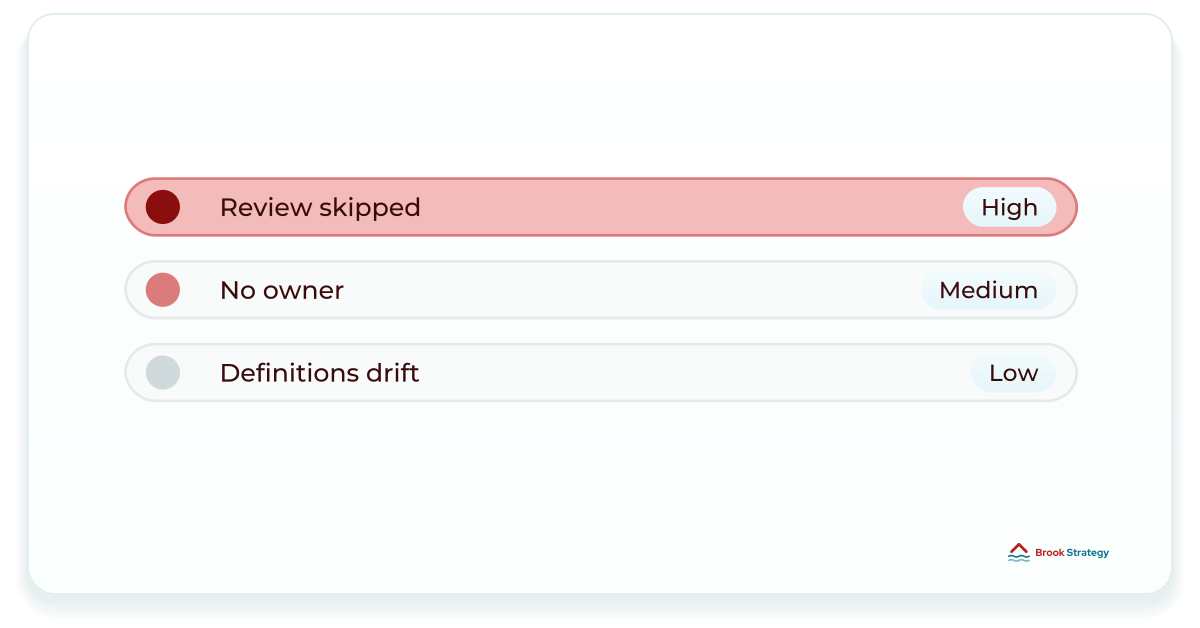
The delays are predictable. The owner who knows the data is also the busiest person in the company. Definitions take a second meeting because two leaders disagree. The first scorecard is built and then not looked at. I cover the causes and fixes in more depth in my guide to data strategy implementation.
The best fix is a fixed slot in your calendar. Put the weekly scorecard review on the same day and time every week for the next three months, and treat it like a client meeting.
A Worked Example From a 25-Person Services Firm
A consulting firm I worked with had three people who each kept their own revenue spreadsheet. Every month-end the owner spent most of a day working out which one was right, and the totals differed by a few thousand dollars. Nobody had done anything wrong. Each file used a different cutoff for when revenue counted.
We spent one afternoon on definitions: revenue counts when the invoice is issued, utilization means billable hours divided by available hours, and a "client" is anyone invoiced in the last twelve months. We named the accounting system as the only source for revenue. The next week, the three spreadsheets became one, fed by an export from the accounting system. Month-end reporting fell from most of a day to about ninety minutes.
The scorecard that came out of it held seven numbers: cash balance, invoiced revenue, billable utilization, pipeline value, win rate, overdue invoices and a monthly client score. They reviewed it every Monday for fifteen minutes. Within two months the owner noticed that overdue invoices were creeping up and fixed the billing routine, an issue that would previously have shown up a quarter later.
None of this needed new software. It needed one afternoon, one named owner per source and a standing meeting. That is the pattern I see in most small businesses that get good at using numbers: the gain comes from agreement and routine, and the tools come later, if at all.
What to Do With Customer and Staff Data
Small firms often hold more personal data than they realize: customer names, emails, payment details, staff records and sometimes health or financial information. List where each type lives, remove copies you do not need and limit access to the people who do. Rules on what you may collect and how long you may keep it differ by country and by industry, so ask your own legal adviser before you build anything on top of that data.
Habits That Keep the Numbers Trustworthy
After the first setup, three small habits do most of the work. Update the definitions page whenever someone asks what a term means, since that question reveals a gap. Check one number a month against a trusted record, such as bank balance against reported cash. And when a figure surprises you, ask where it came from before you act on it.
Write down what you decided and which numbers you used. A simple note in a shared file is enough. Six months later you can see which decisions the data helped and which it did not, and that record tells you where better data would pay off most.
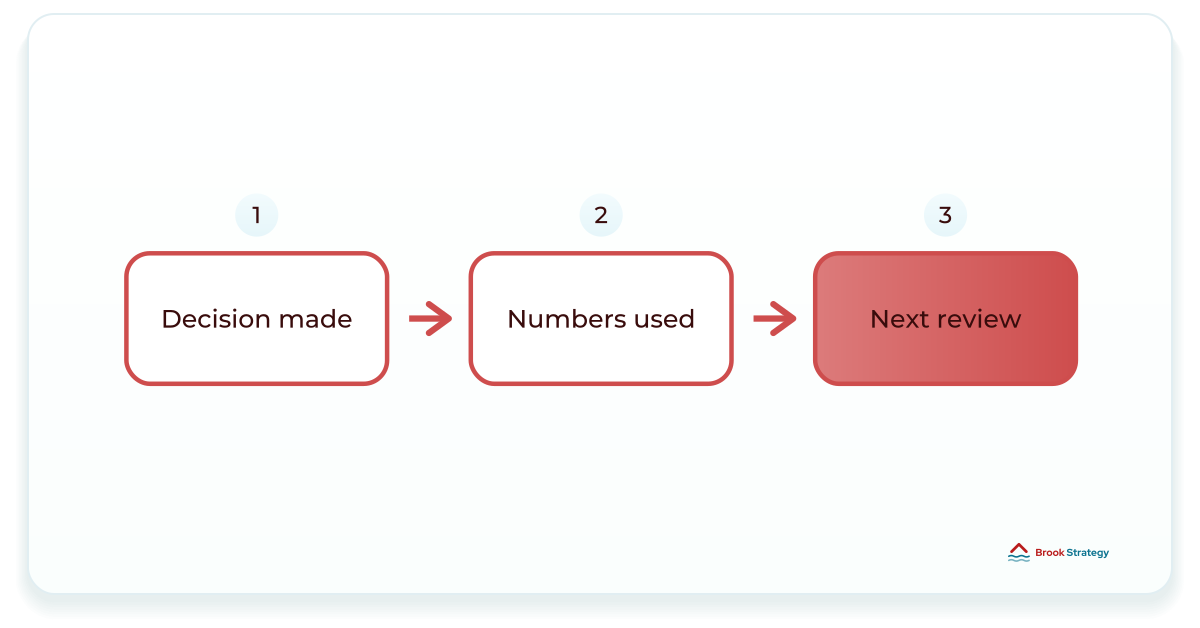
One last practical point: write the next review date and the name of the person who will hold it into the final page of whatever you produce. Plans that carry a date and a name get reviewed, and plans without them tend to be forgotten within a month. It takes ten seconds and is among the cheapest ways to keep the work alive, and it gives your sponsor an easy way to ask for an update when the quarter ends.
How to Choose Your First Step
If your numbers disagree, start with definitions and sources (wins two and three). If your numbers agree but nobody looks at them, start with the scorecard (win five). If you handle customer or payment information, start with protection (win six) this week. Pick one, finish it and move on.
Outside help makes sense when you have a specific stuck point, such as conflicting reports before a funding round, or when you want a second opinion on a software choice. Keep the scope to a single deliverable and a clear end date.
Questions About Data Strategy for Small Business
Does a Small Business Really Need a Data Strategy?
You need the habits behind one: clear definitions, one source for each number and a regular look at a short scorecard. You do not need a long document. A one-page plan is enough to keep decisions grounded in numbers you trust.
How Much Should a Small Business Spend on Data Tools?
Start with what you already pay for, such as accounting, CRM and a spreadsheet. Add a paid tool only when a specific, repeated task takes hours every week and the tool clearly removes it. Many small firms get through year one with spreadsheets and exports.
Should I Hire a Data Analyst?
Usually not at first. A part-time analyst or an outside expert for a few days can set up your scorecard and definitions. Hire full time when the reporting work fills a week, every week.
What Is the First Metric I Should Track?
Track the one that tells you whether the business is healthy right now: cash in the bank for most firms, or monthly recurring revenue for subscription ones. Add a customer and a cost measure after that.
Is a Spreadsheet Good Enough?
For a long time, yes. Move to a database or a reporting tool when files become too big or slow, when several people edit the same data at once or when mistakes keep creeping in from manual copying.
How Do I Get My Team to Use the Numbers?
Start every weekly meeting with the scorecard and ask each owner to explain one movement. Teams use data when they see it used in real decisions, not when they are told to.
When Should I Hire Outside Support?
When your numbers disagree and nobody can say why, when you are preparing to raise money or sell, or when you plan a big move such as a new product line. A short engagement can fix definitions and build a scorecard in a few weeks.
Note: This article is general information, not legal, financial or tax advice. Figures and examples are estimates based on typical projects, so check current details with your providers and advisers before you decide.
Was this article helpful?
Thank you for letting us know.
Russell Tennant
Russell leads the Brook editorial team and works with our consultants to turn real client engagements into practical guides on roadmaps, go-to-market planning, growth and competitive strategy. Before joining Brook, he spent 11 years in strategy and product marketing roles at software and financial services companies. He has since edited more than 300 articles on strategy practice and drawn on roadmaps and growth plans from over 100 client projects. He is based in Denver, Colorado.