Key Takeaways
- The best examples start with one clear customer promise, not a long list of improvements.
- Each company gave one leader or team ownership of the whole journey.
- Most examples cost something, such as stores, staff time or a looser policy, and that cost is part of the strategy.
- Copy the choice behind the tactic, then measure it with behaviour as well as survey scores.
Most customer experience strategies look alike on paper: know your customer, map the journey, measure satisfaction. The ones that work differ in the choices behind them, such as which moment to fix first, which team owns it and what the company agrees to give up. A customer experience strategy consulting project turns those choices into a plan, and real companies show what they look like in practice.
Below are eight well-known examples, from retail to banking to travel. For each one I describe the strategic choice, what made it work and the steps you can copy. I use public company history and my own reading of it, not inside figures, so treat the details as lessons to adapt, not results to expect.
What Makes a Customer Experience Strategy Work
Before the examples, it helps to see what they share. Every strong customer experience strategy I have studied makes one clear promise, builds the company around it and protects it when it becomes expensive. Amazon promised convenience and low prices. Zappos promised service you would tell friends about. Neither promise is original. The discipline to keep it is.
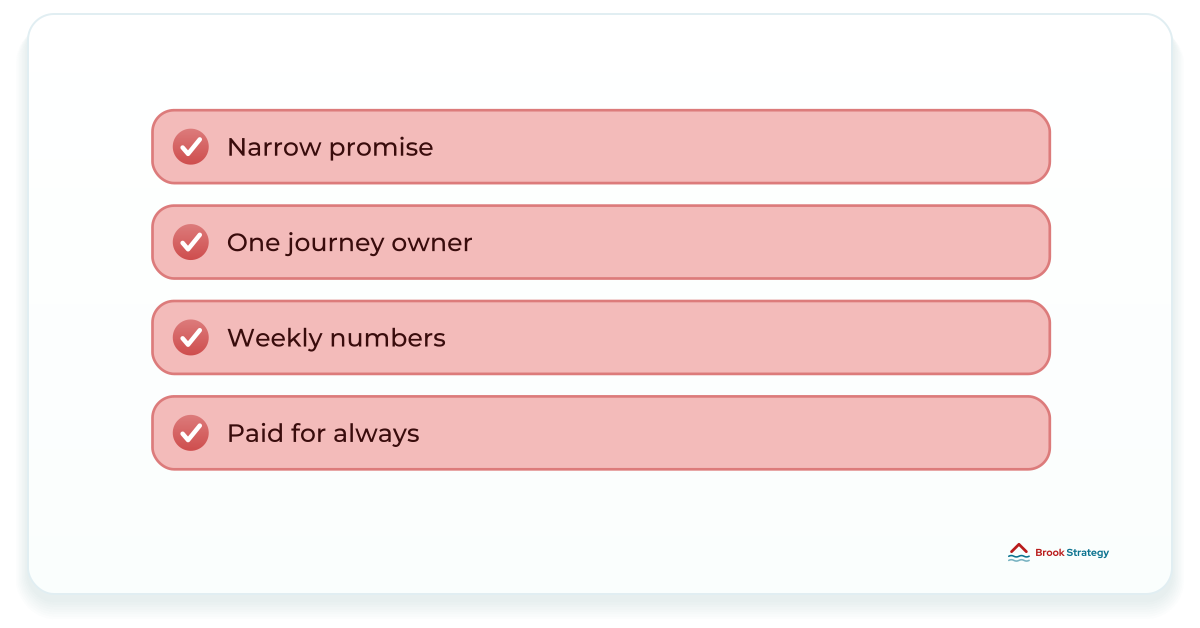
I look for four traits when I read a case. The promise is narrow enough that employees can decide with it. One leader owns the whole journey, not one department. The company measures the promise in numbers it reviews every week. And it pays for the promise even when a quarter looks weak.
The Eight Examples at a Glance
The table shows the strategic move behind each company and the lesson to take from it. The sections after it explain how each one works.
| Example | Strategic move | Lesson for you |
|---|---|---|
| 1. Amazon | Removed friction from buying and delivery | Fix the steps customers dread most |
| 2. Apple | Controls the full store and support experience | Own the touchpoints that shape the brand |
| 3. Zappos | Made service the product | Let service staff solve problems without scripts |
| 4. Starbucks | Joined mobile ordering and rewards | Use loyalty data to shorten the visit |
| 5. Disney | Redesigned the park visit around one wristband | Remove waiting and payment friction at once |
| 6. USAA | Built a bank around one customer group | Serve a narrow audience extremely well |
| 7. Airbnb | Protected both guests and hosts | Design for every side of a marketplace |
| 8. Chewy | Added human gestures to online retail | Small acts of care become the story |
Amazon
Amazon built its strategy on removing friction. One-click ordering, fast delivery, easy returns and a deep catalogue all serve the same promise of convenience at a fair price. The company treats each extra step in a purchase as a cost, and teams are asked to remove steps instead of adding features.
What stands out to me is the consistency. Every new service, from Prime shipping to returns without a printer, is judged by how much customer effort it takes away. That is a strategy a team of any size can borrow: list the steps between wanting and having, then cut the ones customers hate most.
How you can apply it
- List every step from first need to delivered product.
- Mark the steps where customers wait, repeat themselves or doubt the outcome.
- Pick the one step with the biggest drop-off and redesign it first.
- Set a target for time or effort for that step and report it weekly.
- Move to the next step only after the first one holds.
Tools behind it
Journey maps and funnel analytics show where customers drop out. A feedback tool that asks about effort right after the step tells you if the fix worked.
Apple
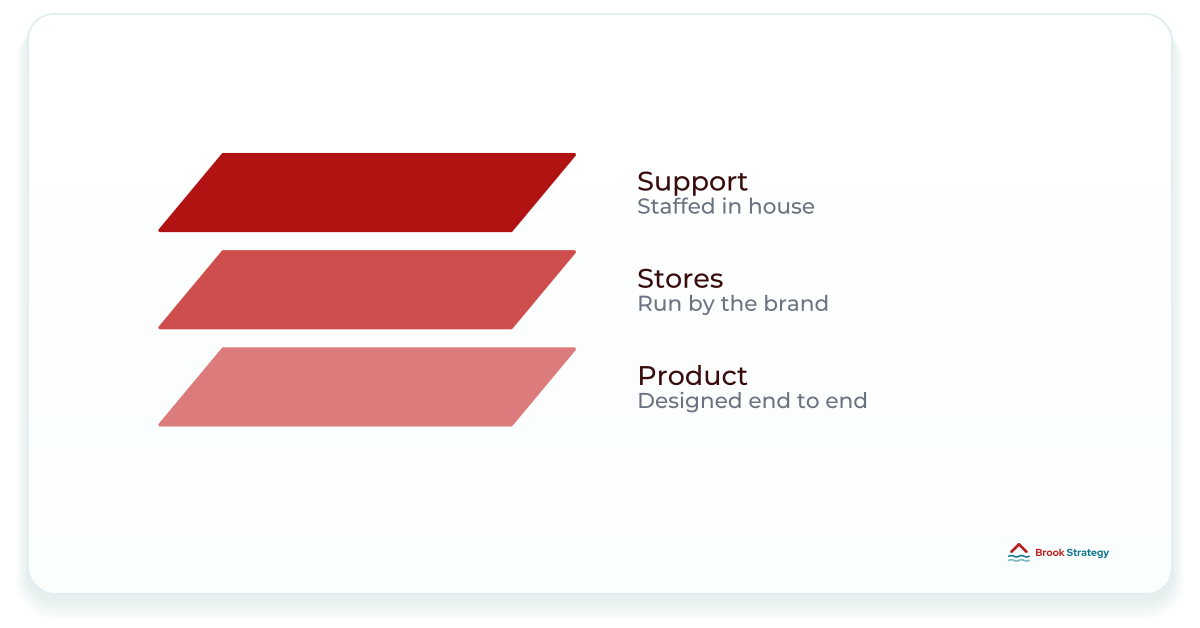
Apple treats the store, the product, the packaging and the support desk as one experience. Its retail stores, which opened in 2001, give customers a place to try products, and the Genius Bar turns repairs and questions into a face-to-face service. The strategy rests on one decision: Apple controls the touchpoints that matter.
Control is expensive, and that is the lesson. Apple pays for stores, trained staff and a tight support process, because the experience is a reason people buy at a premium. If you cannot control every touchpoint, pick the two or three that shape the brand most and invest there.
What the approach looks like
- Decide which touchpoints shape how customers judge you.
- Hire and train the people who run those touchpoints, not only the product team.
- Write simple standards for how each touchpoint should feel.
- Check the standards with mystery visits or call reviews.
- Fix the weakest touchpoint before you add a new one.
Tools behind it
Call and chat quality reviews, plus short surveys after support contacts, give you the data. A service platform keeps the history so customers never repeat themselves.
Zappos
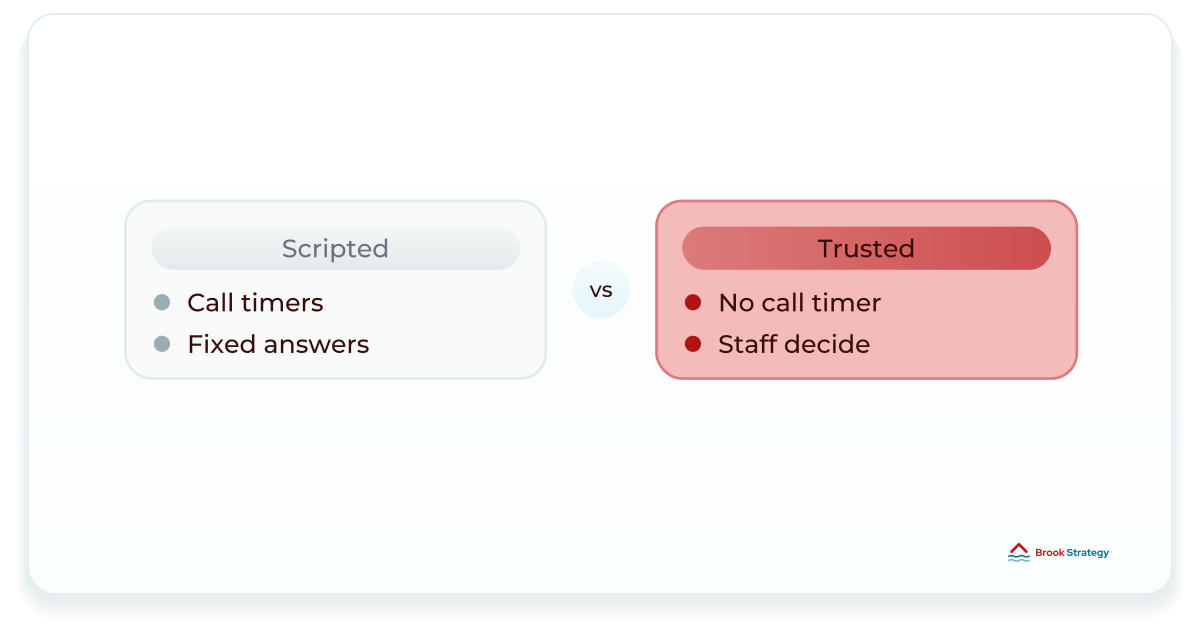
Zappos made service the core of its brand. Its customer service staff were free to spend as long as needed on a call, and the company offered a generous return policy, a promise it advertised for 365 days. The idea was that happy customers return and recommend you, which is cheaper than paid advertising.
The main insight is trust in frontline staff. Without call-time targets and scripts, staff could solve the actual problem. If you want a similar result, remove one rule that gets in your team’s way and see what happens to satisfaction and repeat orders.
Steps to borrow
- Find the rule that most often blocks your agents from helping.
- Replace it with a limit that still protects the business, such as a spending cap.
- Give agents the authority to decide inside that limit.
- Track repeat purchases from customers who contacted support.
- Share good stories with the whole company every month.
Tools behind it
A help desk with notes and history lets agents act with context. Satisfaction scores per agent show whether the extra freedom helps.
Starbucks
Starbucks tied its rewards program to mobile ordering and payment. A customer can order ahead, pay in the app and collect a drink, and the company learns what each person buys. The stated aim was speed and personal relevance, not only discounts.
The strategic point is that data and convenience feed each other. Faster visits make people use the app, and the app shows what to offer next. If you run a subscription or retail business, ask which loyalty feature would remove a step instead of only giving a reward.
How the idea works
- Choose one repeat behaviour you want to make easier.
- Build the shortest path for it in your app or account area.
- Collect the purchase data this creates and keep it tidy.
- Use the data for a small number of useful offers.
- Review whether visits get faster and more frequent.
Tools behind it
A customer data platform or a good CRM holds the purchase history. Product analytics shows which steps in the app slow people down.
Disney
Disney redesigned the park visit around one wristband called MagicBand, introduced with its MyMagic+ system in 2013. The band works as a ticket, room key and payment method, and it removes many moments where guests wait or search for a wallet. The strategy targets the small annoyances that spoil a trip.
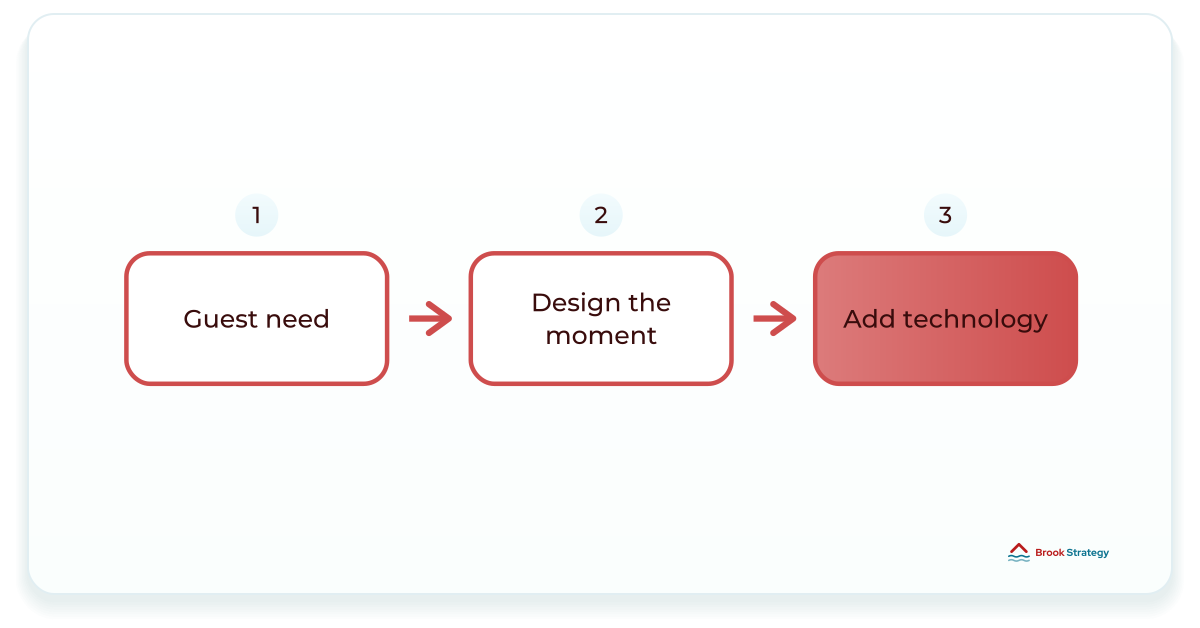
I like this example because the technology is secondary. Disney started from a list of what frustrates families in a park and removed several of them at once. If your own customers repeat the same complaints, a combined fix often beats five separate patches.
A way to copy it
- Gather the top ten complaints from reviews and support tickets.
- Group them by the moment in the journey where they occur.
- Look for one change that removes several complaints together.
- Pilot it with a small group of customers first.
- Compare complaint counts before and after.
Tools behind it
Text analysis of reviews and tickets finds the repeated complaints. A pilot group and a short survey show whether the change helped.
USAA
USAA serves military members, veterans and their families. Because it knows its audience, it can design products and service around deployments, moves and family changes, and it has a record of high satisfaction scores in banking and insurance surveys. Its mobile check deposit, introduced in 2009, was an early step in the same direction.
The lesson is focus. A narrow audience makes it easier to know what to build and to train staff on real situations. If you serve a broad market today, picking the segment you understand best may improve your service faster than a company-wide program would.
Your version of this
- Look at which customer group gives you the highest retention.
- Interview ten of them about moments that matter in their lives.
- Design one service feature for those moments.
- Train staff on the real situations in the interviews.
- Measure retention for the group against the rest.
Tools behind it
Customer interviews and retention analysis are the main inputs. A CRM with segment fields lets you track the group over time.
Airbnb
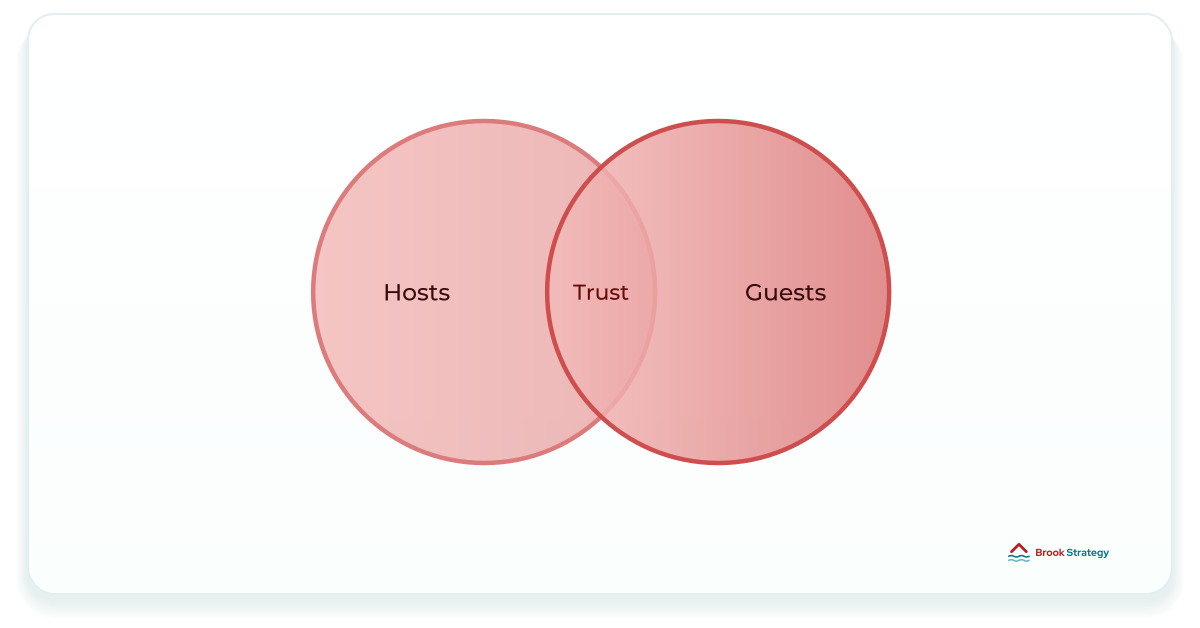
Airbnb is a marketplace, so its experience strategy has to work for guests and hosts at once. It has introduced host protection and guest support programs, such as AirCover in 2021, to reduce the fear on both sides of a booking. Trust, not search, is the core of the product.
If you run a marketplace or a platform, this is the example to study. Each side has different worries, and a fix for one can harm the other. A good strategy names the worst moment for each side and designs a protection for it.
Steps you can follow
- List every customer type that uses your product.
- Name the worst moment for each type.
- Check whether a fix for one type creates a problem for another.
- Launch a protection or guarantee that covers the worst moment.
- Track complaints and disputes for each side separately.
Tools behind it
Separate surveys for each customer type keep the data clean. A case management tool tracks disputes through to resolution.
Chewy
Chewy sells pet supplies online, and it is known for small human touches such as handwritten cards and, in some cases, flowers for pet owners who have lost a pet. Customers share those stories, which gives the company free word of mouth in a category where emotions run high.
These gestures cost little compared with advertising, but they only work because the basics are strong. Fast delivery and easy support come first. Add a human gesture only after the core journey works, and give agents the freedom to do it at the right moment.
How to try it
- Fix delivery, returns and support problems first.
- Identify the emotional moments in your category.
- Let agents act in those moments with a small budget.
- Collect the stories and share them internally.
- Review whether repeat orders rise among the customers who got the gesture.
Tools behind it
Support notes that flag life events help agents spot the moment. A simple budget code in your help desk keeps the gestures under control.
What the Examples Have in Common
Across these eight companies, I see the same pattern. Each one picked a customer moment, made a clear promise about it and organised the company around it. None of them started with a survey score. Scores came later, as a way to check the promise.
They also accept trade-offs. Apple pays for stores. Zappos gave up call-time targets. Disney invested in a system that guests barely notice when it works. If your plan asks for no sacrifice, it probably will not change much.
To turn the same pattern into a plan for your company, follow the steps in my customer experience strategy framework, and use the comparison in the customer experience software ranking to choose how you will measure the result.
Mistakes Companies Make When They Copy These Examples
The most common mistake is copying the tactic instead of the choice. A wristband, a flower or a return policy only works because it supports a promise. Without the promise, it is a gimmick. A second mistake is copying a company that is far bigger than you. Amazon’s logistics are not a reference point for a ten-person team, but its habit of cutting steps is.
The third mistake is skipping the owner. Every example above has a leader who answers for the whole journey. If your plan splits the experience between marketing, sales and support with no single owner, nobody will make the hard trade-offs.
How to Choose Which Example to Follow
Pick the example that matches the problem you have today, not the company you admire most. Use this short list to decide:
- If customers abandon a purchase or signup, start with the Amazon approach and cut steps.
- If support is the weak point, try the Zappos approach and give agents more authority.
- If you run a marketplace, use the Airbnb approach and protect each side.
- If you serve one group well already, follow USAA and narrow your focus.
Once you have chosen, write the promise in one sentence, name the owner and agree on two numbers to review every week. That is a strategy you can start this month, and it is the point at which an outside view tends to pay for itself.
Questions About Customer Experience Strategy Examples
What Is a Customer Experience Strategy?
It is a plan that defines the experience you promise customers, the moments that matter most, who owns each one and how you will measure it. A good one is short enough for employees to remember and specific enough to guide daily decisions.
Which Company Has the Best Customer Experience Strategy?
There is no single winner, because each company serves different customers. Amazon is the standard for convenience, Apple for controlled retail and support, and Zappos for service culture. The best one for you is the one that matches your own customers and your own limits.
How Is Customer Experience Strategy Different from Customer Service?
Customer service is one part of the experience, the help customers get when something goes wrong. Customer experience strategy covers the whole journey, from the first ad to renewal, and decides where to invest across all of it.
Can a Small Business Use These Examples?
Yes. The scale differs, but the logic does not. A small business can pick one moment, write a promise, give staff freedom to act and track two numbers. Small teams often find it easier, because fewer people have to agree.
How Do I Measure Customer Experience?
Use a mix of survey scores, such as satisfaction or net promoter score, and behaviour such as repeat purchases, churn and support contacts per customer. The behaviour numbers show whether the scores translate into revenue.
How Long Does It Take to See Results from a Customer Experience Strategy?
A fix to one clear problem step can show results in a few weeks. Changes in loyalty and repeat purchase usually take two or three quarters to show up. Set a first review date before you start, so you judge the plan on evidence.
Do I Need Special Software for Customer Experience Strategy?
Not at the start. A spreadsheet, a short survey and your existing support data are enough for a first version. Software becomes useful once you collect feedback at volume, and my ranking of customer experience software shows the options.
Note: This article is general information, not legal, financial or tax advice. Figures and examples are estimates based on typical projects, so check current details with your providers and advisers before you decide.
Was this article helpful?
Thank you for letting us know.
Russell Tennant
Russell leads the Brook editorial team and works with our consultants to turn real client engagements into practical guides on roadmaps, go-to-market planning, growth and competitive strategy. Before joining Brook, he spent 11 years in strategy and product marketing roles at software and financial services companies. He has since edited more than 300 articles on strategy practice and drawn on roadmaps and growth plans from over 100 client projects. He is based in Denver, Colorado.