Key Takeaways
- Good corporate strategy is a set of repeatable habits, not a one-time document.
- Shared measures and a portfolio page make units comparable and end most budget arguments.
- Owners, stop rules and a quarterly scorecard keep the plan running after approval.
- Move capital on purpose. Many companies leave allocations almost unchanged for years.
Corporate strategy fails less from bad ideas than from weak habits: units measured differently, budgets copied forward and decisions reopened every quarter. The eleven practices below fix those habits one at a time. If you want help putting them in place, corporate strategy consulting can run the first cycle with you.
Each practice has a do and an avoid, drawn from my work with leadership teams in software and financial services. You don't need all eleven at once. The table shows them side by side, and the sections that follow explain the reasoning.
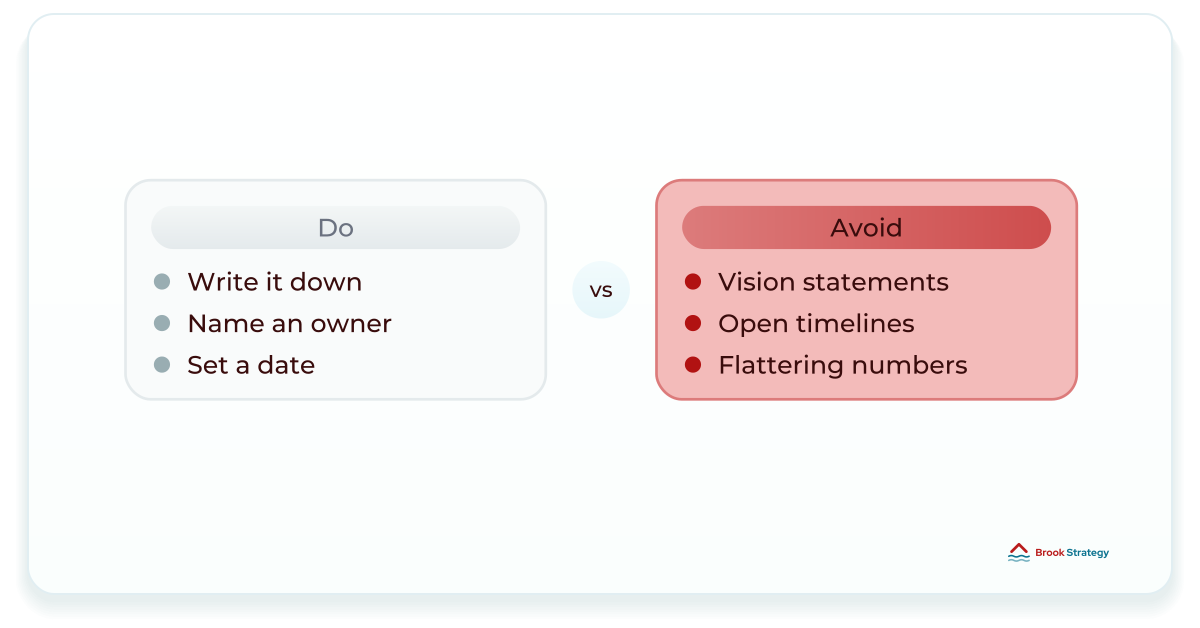
The 11 Practices at a Glance
| Practice | Do | Avoid |
|---|---|---|
| 1. Start With a Written Diagnosis | Write the challenge in two or three sentences with numbers | Open the process with a vision statement or a list of goals |
| 2. Measure Every Unit the Same Way | Agree five or six shared measures and publish the formulas | Let each unit pick the numbers that flatter it |
| 3. Make a Few Choices and Say No to the Rest | Publish a short list of priorities and a list of what stops | Add a priority every time a senior leader asks |
| 4. Allocate Capital on Purpose | Name how much budget and talent you will move and from where | Copy last year's split and add a growth percentage |
| 5. Score Acquisitions and Partnerships Against Written Criteria | Set a walk-away price and fit threshold in advance | Judge a deal by momentum or by how long the team has worked on it |
| 6. Separate Corporate and Business-Unit Decisions | Draw a decision map with named owners and limits | Let corporate review every unit-level choice |
| 7. Give Every Initiative an Owner and a Stop Rule | Write owner, budget, milestone and stop date on one line | Approve projects with open-ended timelines |
| 8. Keep the Planning Calendar Short | Set dates for each step and hold them | Let each unit run its own process and format |
| 9. Run Quarterly Reviews With a Scorecard | Share the scorecard before the meeting and decide in the room | Use the meeting to read slides aloud |
| 10. Interview Executives and Customers Before You Decide | Ask each leader what to grow, fix and stop, and show the answers together | Rely on one workshop where the loudest view wins |
| 11. Report One Story to the Board | Use the same portfolio page in every board pack | Send a deck per unit and let the board connect them |
Eleven Corporate Strategy Best Practices in Detail
1. Start With a Written Diagnosis
Before any plan, write what is true today: where the company earns, where it loses and what changed in the market. A half-page diagnosis stops the room from jumping to solutions. I ask leaders to read it before the first workshop and mark anything they dispute.
- Do: Write the challenge in two or three sentences with numbers.
- Avoid: Open the process with a vision statement or a list of goals.
2. Measure Every Unit the Same Way
One set of definitions for growth, margin, cash use and return makes the portfolio comparable. Finance should own the definitions. Disputes about method eat more time than disputes about strategy, so settle them early and keep them stable year to year.
- Do: Agree five or six shared measures and publish the formulas.
- Avoid: Let each unit pick the numbers that flatter it.
3. Make a Few Choices and Say No to the Rest
A strategy with ten priorities has none. Pick the few moves that carry the company and name what you are pausing. The list of paused work tells the organization that the choice was real, and it saves unit leaders from guessing.
- Do: Publish a short list of priorities and a list of what stops.
- Avoid: Add a priority every time a senior leader asks.
4. Allocate Capital on Purpose
Research from McKinsey found that companies that moved more capital between business units over fifteen years earned higher shareholder returns, and that allocations for about a third of units barely changed (McKinsey on resource allocation). A target share to move each year builds the habit.
- Do: Name how much budget and talent you will move and from where.
- Avoid: Copy last year's split and add a growth percentage.
5. Score Acquisitions and Partnerships Against Written Criteria
Deals feel exciting in a way budgets don't. Write criteria for strategic fit, price and integration risk before a target appears. Then judge each deal against them, and walk away when it fails. Legal and financial due diligence stay with your advisers.
- Do: Set a walk-away price and fit threshold in advance.
- Avoid: Judge a deal by momentum or by how long the team has worked on it.
6. Separate Corporate and Business-Unit Decisions
Corporate decides scope, capital and shared platforms. Units decide how to win in their market within agreed limits. Write the boundary on one page. When both levels reach into each other's work, decisions slow down and good leaders leave.
- Do: Draw a decision map with named owners and limits.
- Avoid: Let corporate review every unit-level choice.
7. Give Every Initiative an Owner and a Stop Rule
An initiative without an owner is a wish, and one without a stop rule runs forever. State the result by a date that ends the work. I've seen the stop rule save more money than any budget cut, because it replaces a political fight with a date.
- Do: Write owner, budget, milestone and stop date on one line.
- Avoid: Approve projects with open-ended timelines.
8. Keep the Planning Calendar Short
Annual planning that runs for five months produces plans that are old on arrival. Fix the calendar: diagnosis, options, decision, budget. Use one template for all units. Finish before the market moves, and update quarterly instead of waiting for the next cycle.
- Do: Set dates for each step and hold them.
- Avoid: Let each unit run its own process and format.
9. Run Quarterly Reviews With a Scorecard
A short scorecard with three to five measures per unit keeps the plan visible. At each review ask what changed, what you learned and whether money should move. Half a day is enough when the scorecard is sent in advance.
- Do: Share the scorecard before the meeting and decide in the room.
- Avoid: Use the meeting to read slides aloud.
10. Interview Executives and Customers Before You Decide
Leaders often hold different views of where the company is strong. Short interviews with executives, plus a handful of customer conversations, reveal gaps that a spreadsheet can't. Present the spread of views to the group before the debate begins.
- Do: Ask each leader what to grow, fix and stop, and show the answers together.
- Avoid: Rely on one workshop where the loudest view wins.
11. Report One Story to the Board
Boards lose trust when each unit tells a separate story. Prepare one set of materials: the portfolio page, the key choices with numbers, the risks and what you need from the board. Keep the appendix for detail. The board's job is to challenge, so give it something clear to challenge.
- Do: Use the same portfolio page in every board pack.
- Avoid: Send a deck per unit and let the board connect them.
Which Practices to Adopt First
Start with the ones that cost the least and unlock the rest. Shared measures (practice 2) come first, because every later practice depends on comparable numbers. Practices 3 and 7, a short priority list and stop rules, take a single meeting each and change behavior fast. Capital allocation (practice 4) takes a full planning cycle to show results, so begin it early.
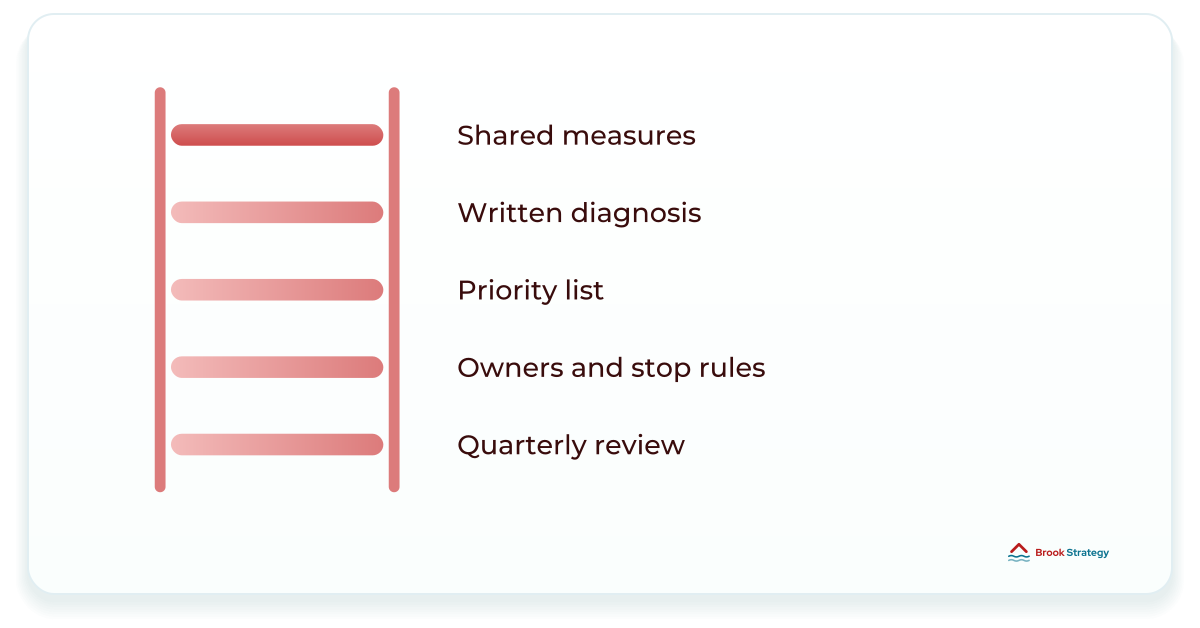
A company with limited time can use this order: shared measures, written diagnosis, priority list, owners with stop rules and quarterly review. The rest follow as the habit settles. The process itself is laid out step by step in my corporate strategy framework.
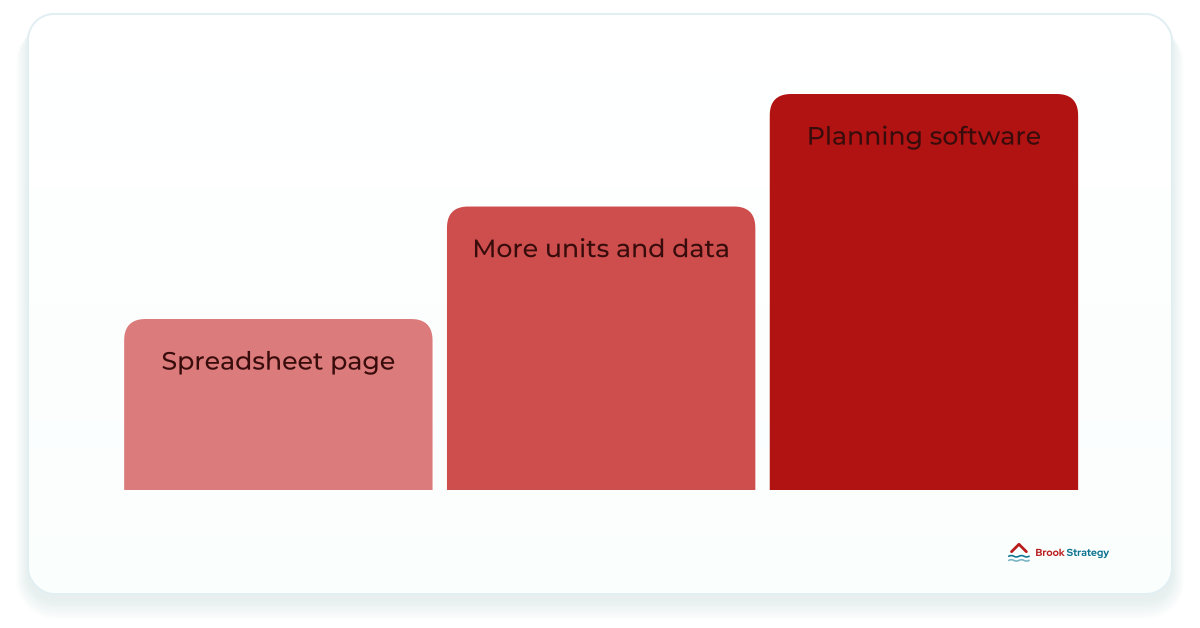
Tooling is the last thing to add. A spreadsheet handles the portfolio page and scorecard for most mid-size companies for the first year or two. When the data volume or the number of units grows, my comparison of corporate strategy tools helps you choose software that fits.
Adapting the Practices to Your Size
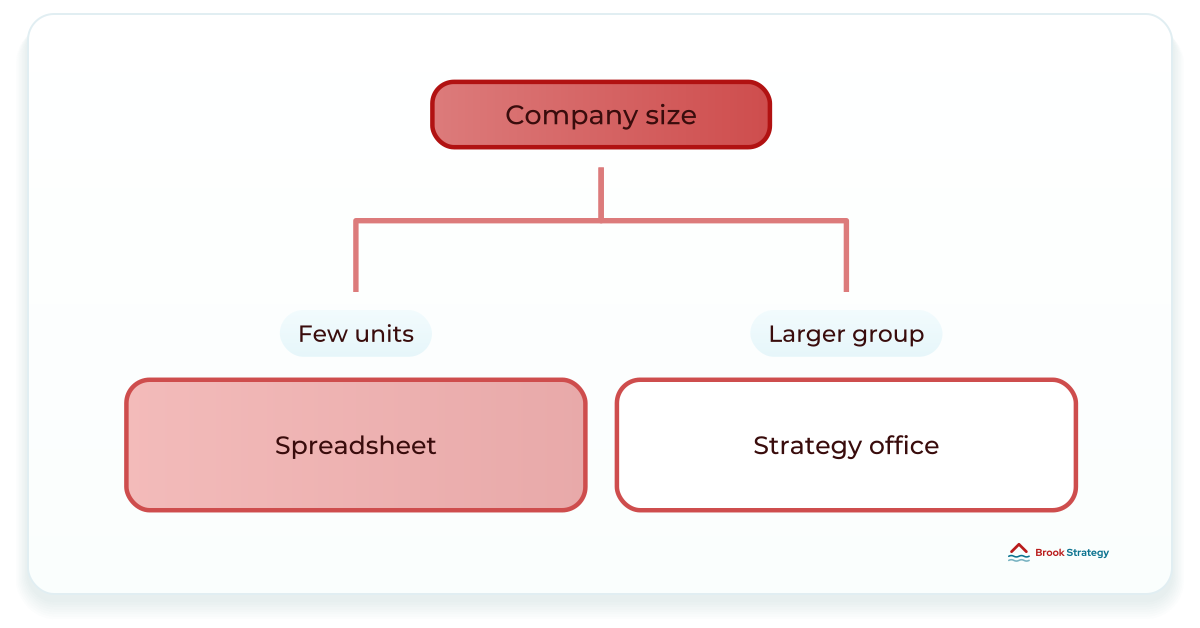
A company with three business units and a leadership team of five can run all eleven practices with a part-time analyst and a shared spreadsheet. Keep each output to a page. A larger group needs more structure: a strategy office, a fixed planning calendar and a data owner for the shared measures. The practices are the same, but the weight of the process changes.
Younger software companies often add corporate strategy late, once a second product appears. That is a good moment to start, because habits are cheap to set before the organization has years of separate planning cultures to undo.
How to Know the Practices Are Working
Look for four signs within two quarters. Leaders argue about choices instead of definitions. At least one budget line has moved. A project has been stopped on its date without drama. And the board pack tells one story. If none of these has happened, check which practice was skipped, because it is usually the second or the fourth.
Questions About Corporate Strategy Best Practices
What Are the Best Practices for Corporate Strategy?
The most reliable ones are a written diagnosis, shared measures for every unit, a few clear choices, deliberate capital allocation, written criteria for deals, clear decision rights, owners with stop rules, a short planning calendar, quarterly reviews and one story for the board. Each makes strategy something you can run, not just write.
How Often Should a Company Update Its Corporate Strategy?
Review it quarterly and revisit the full strategy once a year. Quarterly reviews check progress against the scorecard and move money when results say so. A full reset happens in the annual cycle, or sooner if the market shifts sharply.
Who Should Be Involved in Corporate Strategy?
The CEO, the CFO and the head of strategy lead it. Business-unit leaders contribute options and own execution, and the board reviews and challenges. Keep the decision group small. Gather input widely, but let four or five people decide.
How Do I Stop Corporate Strategy from Becoming a Long Document Nobody Reads?
Limit the core to a portfolio page, a list of choices with numbers and a scorecard. Put the detail in an appendix. A strategy that fits on three pages gets used in meetings, while a sixty-slide deck gets filed.
How Much Capital Should a Company Reallocate Each Year?
There is no single right figure. Research from McKinsey shows wide differences between companies, and the high reallocators moved far more than average over fifteen years. Start by naming a share you are willing to move and the units it comes from. Even a modest figure builds the habit.
What Is the Biggest Mistake in Corporate Strategy?
Treating the plan as a collection of unit budgets. When each unit plans alone, nobody chooses between them and the company funds everything a little. A portfolio view and a few written choices fix most of this.
When Should a Company Get Outside Help with Corporate Strategy?
Consider it when leaders disagree about scope, when the planning cycle keeps slipping or before a major move such as an acquisition or a new market. A neutral facilitator can run interviews and the decision session, while the choices stay with your leadership team.
Sources
Note: This article is general information, not legal, financial or tax advice. Figures and examples are estimates based on typical projects, so check current details with your providers and advisers before you decide.
Was this article helpful?
Thank you for letting us know.
Russell Tennant
Russell leads the Brook editorial team and works with our consultants to turn real client engagements into practical guides on roadmaps, go-to-market planning, growth and competitive strategy. Before joining Brook, he spent 11 years in strategy and product marketing roles at software and financial services companies. He has since edited more than 300 articles on strategy practice and drawn on roadmaps and growth plans from over 100 client projects. He is based in Denver, Colorado.