Key Takeaways
- A go-to-market roadmap has five phases: foundation, positioning and pricing, pilot, launch and scale, and review and expansion.
- Each phase ends with a decision gate, so you stop or adjust early instead of finding problems at the end.
- Spend the first four months on research and a small pilot, since they cost the least and teach the most.
- Review the plan every quarter and redraw the later phases using real results.
Teams that launch well rarely have a better product. They have a sequence: they learn about buyers first, test with a few customers and only then spend heavily. A go to market strategy consulting project builds that sequence, and this roadmap shows what it looks like over twelve months.
Copy it as a starting point and change the timings to fit your product and sales cycle. Before you begin, run through my go to market strategy checklist to see which phase-one work is already done.
The Twelve-Month Roadmap at a Glance
| Phase | Months | Main work | Decision at the end |
|---|---|---|---|
| 1. Foundation | 1 to 2 | Segment research, buyer interviews, competitor review | Which segment goes first |
| 2. Positioning and Pricing | 3 to 4 | Message, pricing tiers, channel shortlist | Which offer and price to test |
| 3. Pilot | 5 to 6 | Run the plan with a small group of buyers, train sales | Go, adjust or stop |
| 4. Launch and Scale | 7 to 9 | Full channel spend, sales motion, weekly pipeline reviews | Which channels get more budget |
| 5. Review and Expansion | 10 to 12 | Results review, second segment, plan reset | Where to expand next year |
Phase 1: Foundation (Months 1 to 2)
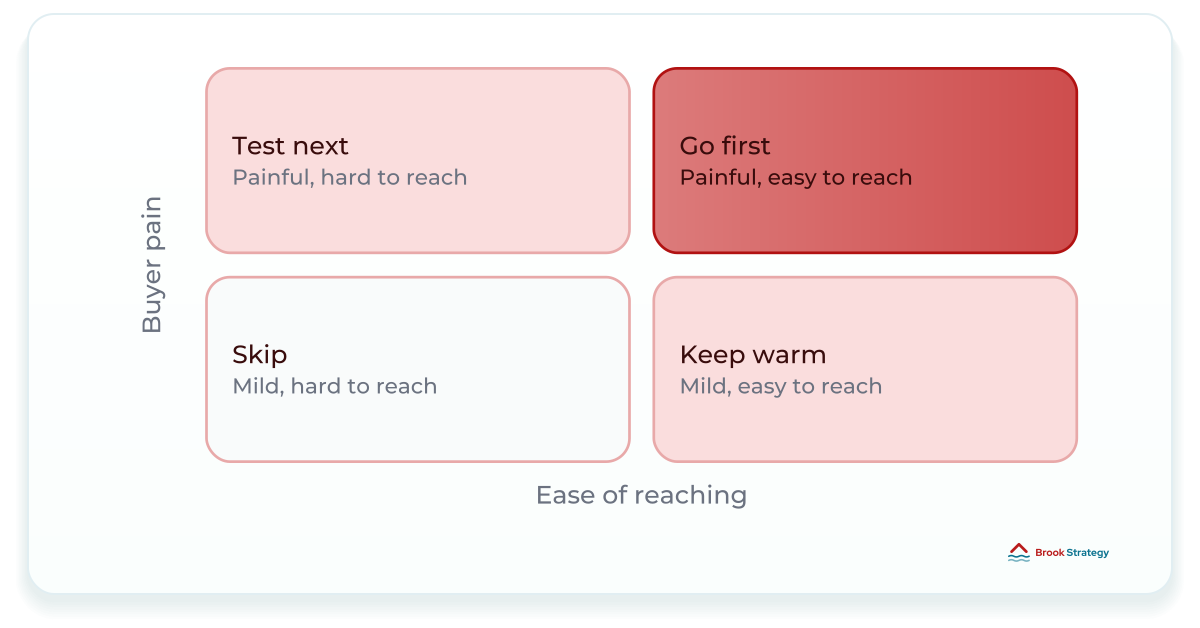
The first two months decide how good everything else can be. List the segments you could serve, size each one roughly and pick the three most promising for deeper work. Then talk to buyers: aim for twelve to fifteen conversations across those three, mixing customers, prospects and people who chose a rival.
Write down what you learn in the buyers' own words. In my client work, the segment that looks best on paper often loses once buyers describe how they really decide, and a smaller segment with an urgent problem wins. Review competitors at the same time, including the do-nothing option.
The decision gate at the end of month two is simple: which segment goes first, and what evidence supports it. Write the decision down, with the segment you rejected and the reason, so the debate does not reopen every month.
Phase 2: Positioning and Pricing (Months 3 to 4)
Now turn the research into an offer. Draft a one-sentence message, three proof points and an objection list. Test them with five to eight of the buyers you spoke to, and change the wording where they hesitate or ask you to repeat yourself.
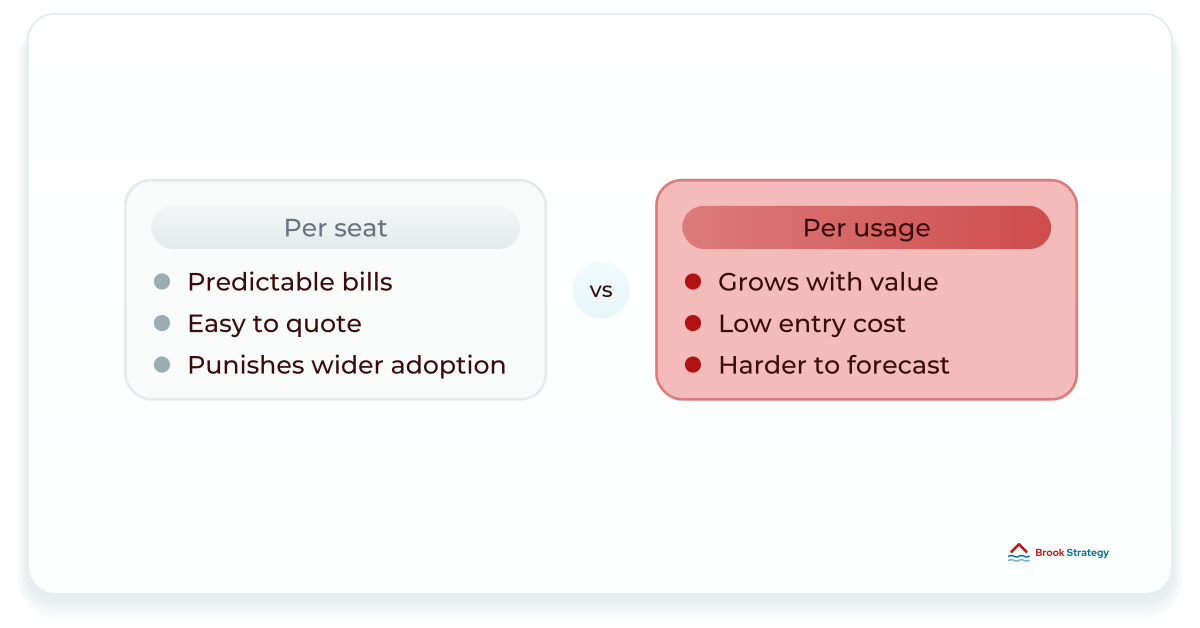
Pricing belongs here as well. Choose a pricing metric that grows with customer value, sketch two or three tiers and ask buyers how they react. Do not publish yet. A draft price tested in conversations beats a price copied from a rival, and you will have a better answer when sales asks why it costs what it costs.
Finish the phase by shortlisting two or three launch channels and drafting the sales motion: who handles a lead, how it moves and what each stage is called. If your pricing needs more depth, a pricing strategy consulting study can run alongside this phase.
Phase 3: Pilot (Months 5 to 6)
A pilot is a small version of the full launch. Choose ten to twenty accounts in your chosen segment, run the message, price and sales motion on them and watch what happens. Keep the group small so you can follow each deal and learn from every loss.
Use the same period to prepare sales. Train the team on the segment and the objections, give them the messaging brief and run practice calls. Reps who have not used the materials before the launch tend to improvise, and the message you tested disappears.
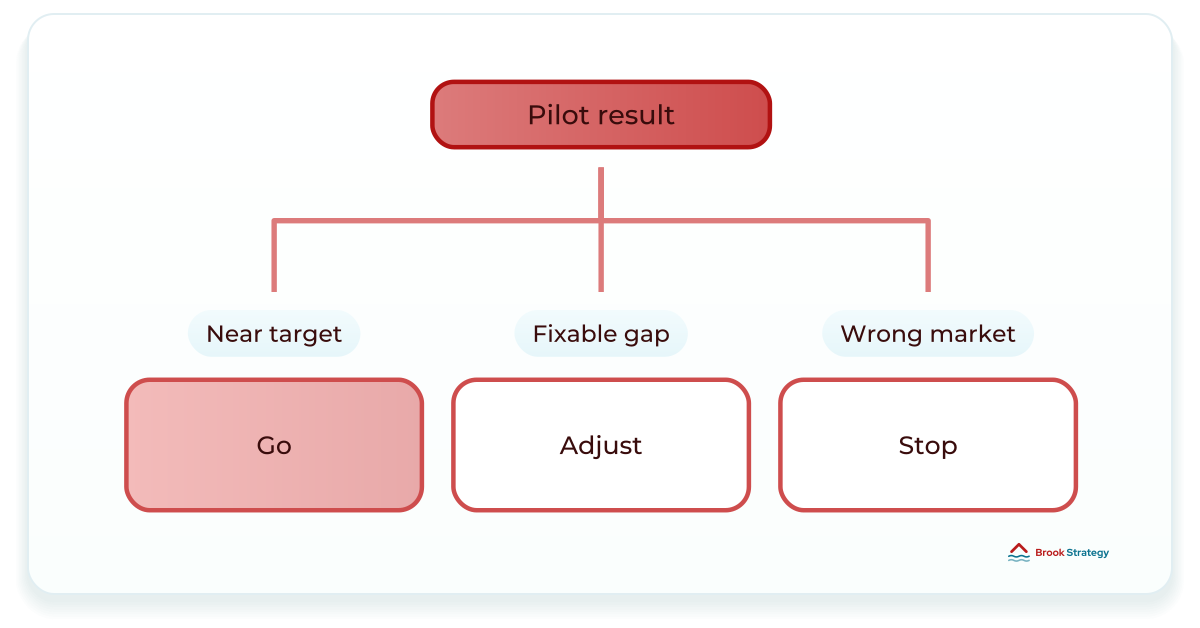
At the end, review conversion at each stage, the objections you heard and the deals you lost. The gate is a three-way choice. Go means the numbers match your targets. Adjust means one element, such as message or price, needs a change and a second small pilot. Stop means the segment does not respond, and you move to your second-ranked one.
Phase 4: Launch and Scale (Months 7 to 9)
Now spend. Fund your chosen channels at the planned level, open the full sales motion and set up a weekly pipeline review of thirty minutes with the same numbers every time. Define what counts as a qualified lead in one sentence, and use it across marketing and sales.
Watch leading indicators first: meetings booked, pipeline created and early-stage conversion. Revenue arrives later, and waiting for it means a slow reaction. If one channel clearly lags after eight weeks of proper spend, move its budget. If two lag, return to the message before you blame the channels.
At the end of month nine, decide which channels earn more budget, which stay level and which stop. Keep your reserve until then, since this is the point where it pays for itself.
Phase 5: Review and Expansion (Months 10 to 12)
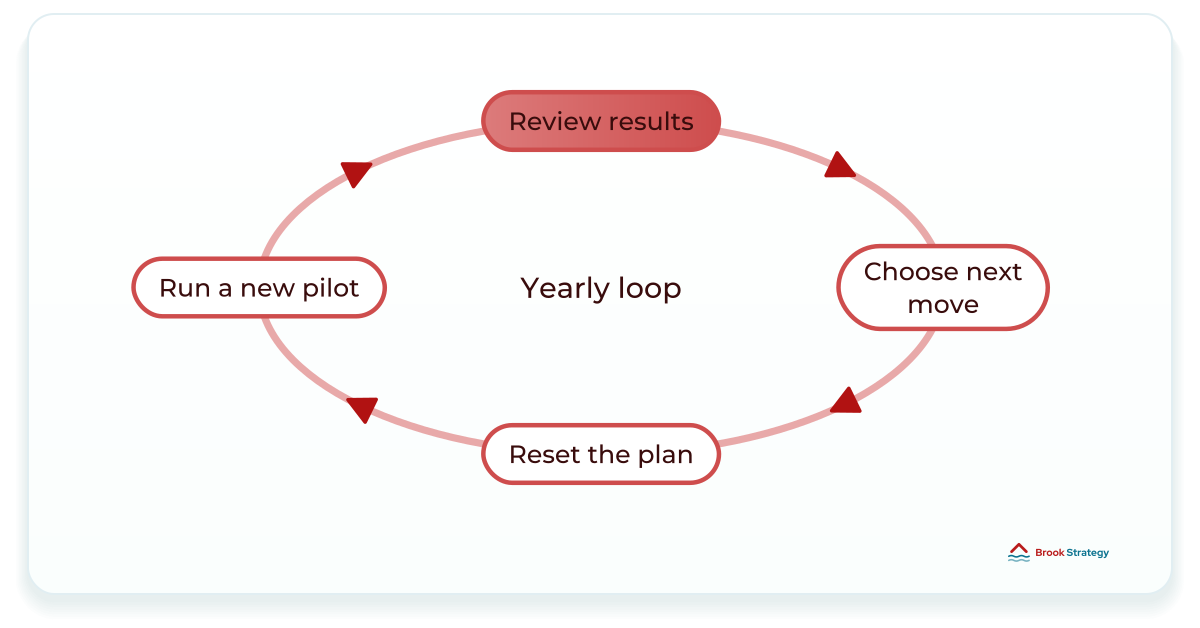
Look back over the year. Compare results against the targets from the plan: pipeline created, win rate, sales cycle and payback on spend. Note what you got right, what you missed and which assumptions turned out false.
Then choose the next move. Options are a second segment, a second region, a new package or deeper investment in a channel that works. Use the same five phases at a lighter scale, since you now have research, messaging and a sales motion to build on. A broader plan for growth beyond launch is covered in growth strategy consulting.
Who Owns Each Phase
Roadmaps fail when everyone is responsible. Name one owner per phase and a single person with the final say when trade-offs appear.
| Phase | Lead owner | Others involved |
|---|---|---|
| 1. Foundation | Product marketing or strategy lead | Product, sales, customer success |
| 2. Positioning and Pricing | Product marketing | Finance, sales, product |
| 3. Pilot | Head of sales | Marketing, customer success |
| 4. Launch and Scale | Head of growth or marketing | Sales, product, finance |
| 5. Review and Expansion | Go-to-market owner | Leadership team |
What to Measure in Each Phase
Numbers change with the phase. Early on, you measure learning. Later, you measure pipeline and money. Mixing them up leads to judging a research phase by revenue, which nobody can deliver in month two.
| Phase | What to measure | Sign it is on track |
|---|---|---|
| 1. Foundation | Interviews completed, segments scored | A clear first segment and a recorded reason |
| 2. Positioning and Pricing | Buyer reaction to message and price | Buyers repeat the message correctly |
| 3. Pilot | Stage conversion, objections, deal time | Conversion near target with known loss reasons |
| 4. Launch and Scale | Pipeline created, win rate, cost per opportunity | Pipeline rises without a drop in win rate |
| 5. Review and Expansion | Payback on spend, retention of first customers | Payback inside the planned window |
Where Roadmaps Slip, and How to Absorb It
In almost every roadmap I review, the interview phase runs late. Buyers are busy, and introductions take a week or two to arrive. Start recruiting on day one and offer a short, specific ask, such as twenty minutes about how they chose their current tool. Plan a buffer of two weeks in phase one and you rarely feel the delay later.
The second common slip is the product. A feature promised for the launch ships late, and the campaign waits. Decide early which features are required for the pilot and which can follow, and tell buyers honestly what exists today. A smaller promise delivered on time beats a larger one that moves.
The third is attention. Leaders agree to the plan, then drift back to daily work, and the monthly review gets skipped. Put the reviews in calendars for the whole year at the start and keep the agenda identical each month. A review that takes thirty minutes and always happens beats a long one that is often moved.
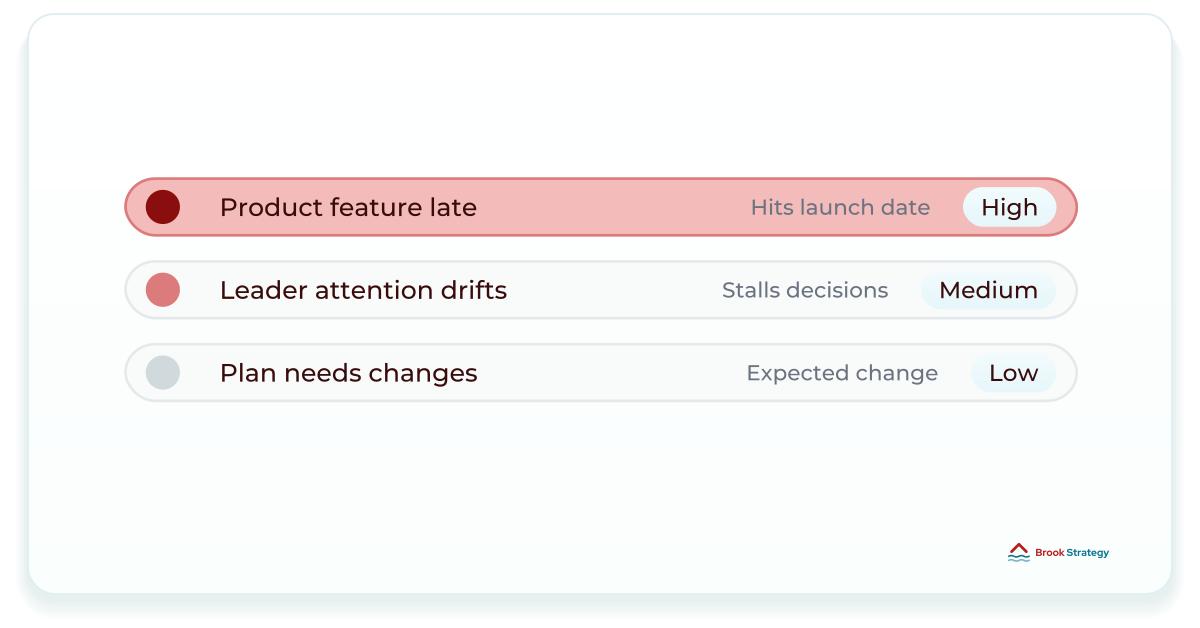
Finally, expect the plan itself to change. A roadmap is a hypothesis with dates attached. If a gate shows you were wrong, redraw the later phases, note why and carry on. Teams that treat a change as failure tend to defend a plan that is not working.
How to Adapt the Roadmap to Your Business
Adjust the timings to match your sales cycle. If your deals close in two weeks, phase three can be a month. If they take six months, a pilot takes longer, and you may count early signals such as meetings and proposals as the result. Check these four points before you copy the plan:
- Your average sales cycle, since it sets the length of the pilot
- The size of your reserve, since it decides how much a failed pilot costs
- The number of segments you can serve with your team, usually one at first
- Dependencies on product releases, which can move the launch date
If the plan needs to cover several products or regions, ask for outside help with sequencing. A short call is enough to see where the critical path sits.
Questions About the Go-to-Market Roadmap
How Long Should a Go-to-Market Roadmap Cover?
Twelve months works for most products, with detailed plans for the next quarter and rougher plans after that. Anything longer is guesswork, since results from the first launch change what you should do next. Review the roadmap every quarter and redraw the later phases with what you learned.
Can I Compress the Twelve Months?
Yes. Small teams with a simple product often run phases one and two together in six weeks. What you should not skip is the buyer research and the pilot. They are the cheapest way to find out you were wrong.
What Is the Right Team Size for a Go-to-Market Roadmap?
A core group of four to six works well: one owner, plus leads from product, sales and marketing, and someone from customer success. Larger groups slow decisions. Others join for specific phases and are informed through the monthly review.
How Much Budget Should I Plan for Each Phase?
Phases one and two cost mostly time. Spending rises in phase four, when channels run at full volume. As a rule of thumb, I keep around a fifth of the launch budget in reserve for changes after the first review, since some channel always underperforms.
What Should I Do When the Pilot Results Are Poor?
Treat it as useful information. Check whether the segment, the message or the price is the likeliest cause, change one of them and run a smaller second pilot. If two pilots fail for the same segment, move to your second-ranked segment instead of pushing further.
How Do I Keep Sales and Marketing Aligned During the Roadmap?
Give them one shared target buyer, one message document and one pipeline definition from phase one. Hold a short joint review every month, with the same numbers on screen. Most disputes come from different definitions of a qualified lead.
When Should I Use a Consultant for the Roadmap?
Use one when you have several segments to rank, when earlier launches missed, or when teams cannot agree on the plan. An outside team brings fresh interviews and a neutral view. A free call is a low-cost way to see whether it would help.
Note: This article is general information, not legal, financial or tax advice. Figures and examples are estimates based on typical projects, so check current details with your providers and advisers before you decide.
Was this article helpful?
Thank you for letting us know.
Russell Tennant
Russell leads the Brook editorial team and works with our consultants to turn real client engagements into practical guides on roadmaps, go-to-market planning, growth and competitive strategy. Before joining Brook, he spent 11 years in strategy and product marketing roles at software and financial services companies. He has since edited more than 300 articles on strategy practice and drawn on roadmaps and growth plans from over 100 client projects. He is based in Denver, Colorado.